
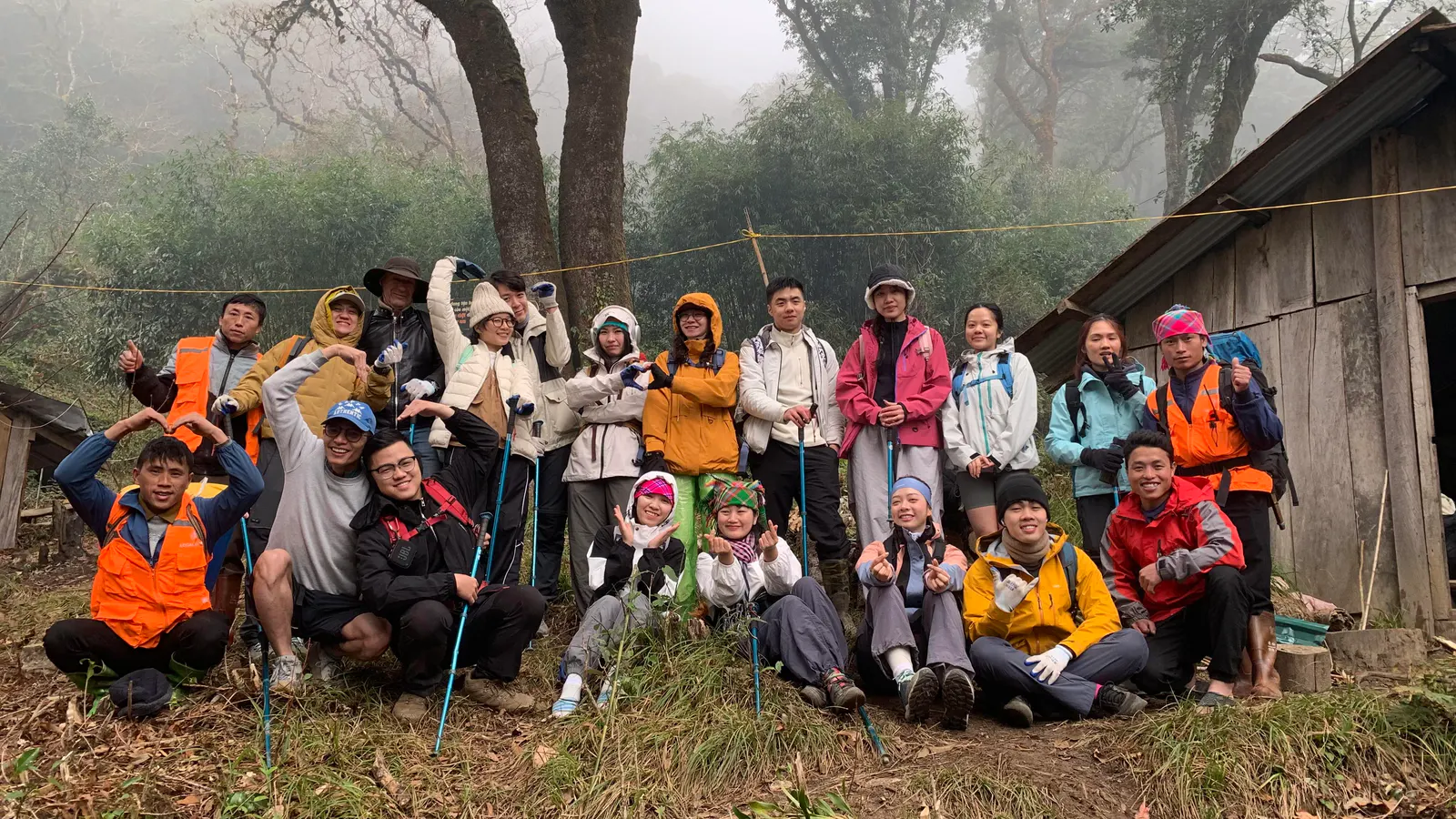
Pack for trekking in Vietnam by checking the route, walking days, expected conditions, overnight accommodation and what the organiser supplies. Start with footwear you have tried, suitable layers, a comfortable backpack, drinking water, food for the trail, lighting and personal essentials.
A day walk, a mountain-hut itinerary and a trek with porter support need different combinations of equipment. Use this checklist to prepare questions, then follow the packing instructions for your chosen departure.
Read the trip before filling the backpack
Confirm how many days you walk, where you sleep, which meals are covered, where drinking water is available and what you carry yourself. If a porter allowance applies, ask about the bag and handover arrangement.
Look at the forecast and the conditions for the walking route and overnight stops. The weather in a town is only one reference for a mountain trip. Ask the group leader about updates close to departure.
| Equipment group | Items to check | Route question |
|---|---|---|
| Footwear | Tried shoes and socks, poles where appropriate | Will the trail involve mud, rock, streams or sustained descent? |
| Clothing | Quick-drying layers, warmth and rain protection | What conditions are expected at the hut and summit? |
| Water and food | A suitable bottle and familiar snacks | Where can you refill, and which meals are provided? |
| Lighting and communication | Headlamp, phone and protected spare power | Does a stage start before daylight, and how will the group communicate? |
| Overnight items | Dry clothing and simple personal toiletries | Which bedding and sleeping equipment does the accommodation provide? |
Footwear and clothing
Try the shoes, socks and intended backpack together before the trip. Check fit while walking and descending. Pack a dry pair of socks for an overnight route and keep it protected from moisture.
Choose layers that you can adjust as activity and conditions change. Check quick-drying walking clothing, an insulating layer, rain protection and any hat or gloves needed for the programme. For a hut night, pack dry clothing for the evening.
REI’s hiking checklist also groups clothing, footwear, food, water, navigation and first-aid equipment around the demands of the outing. Adapt a general checklist to the actual route and support available. REI hiking essentials checklist
Backpack and waterproof packing
Choose a pack that fits your body and the equipment you need to carry. Practise adjusting it with the intended load. Put heavier items close to your back and keep water, snacks, rain protection and other frequently used items accessible.
Protect dry clothes, documents, electronics and spare power in suitable internal waterproof bags. Check the pack cover and storage method for wet conditions before departure.
Drinking water and meals
Ask how much water to start with, where refills are available and how drinking water is supplied. Plan around the walking stage, conditions and your individual needs. Confirm a source before relying on water found along the way.
Bring snacks you know you can eat while walking, and tell the organiser about dietary requirements or allergies in advance. Read the guide to tour inclusions to check meal arrangements.
Headlamp, phone and personal essentials
- Check the headlamp, batteries and spare power before an early summit start.
- Protect your phone, charging cable and power bank from moisture.
- Keep the route leader’s contact and any offline information needed for the trip available.
- Bring the documents specified for the route.
- Pack personal medication and a small set of appropriate first-aid items for your own needs.
- Carry a bag for personal rubbish and use the collection arrangements for the trip.
Ask about the group’s first-aid and communication arrangements. Discuss a relevant medical condition or injury with your healthcare professional and the organiser ahead of booking.
Final check for a hut-based trip
Lay out your equipment in groups and remove duplicate items after confirming what the tour supplies. Pack the dry evening items separately from anything wet. Walk with the loaded bag before the departure day to check comfort and access.
Read the Day 0 travel plan so that the items used on the road are accessible. Confirm whether anything can stay with the vehicle and how you collect it again.
Frequently asked questions
Do I need to buy every item before my first trek?
Check the supplied equipment and available rental first. Prioritise footwear, suitable clothing and the personal items needed for the actual programme.
How large should my backpack be?
Choose capacity after listing what you carry. Shared equipment, bedding and porter arrangements can change the load. Fit and an accessible packing arrangement matter alongside the volume.
Are trekking poles required?
Ask about the route and supplied kit. If you use poles, practise adjusting and handling them before departure and follow the guide’s instructions where your hands need to be free.
If you are still choosing a route, read beginner treks in Vietnam and compare the current tour programmes before finalising your bag.

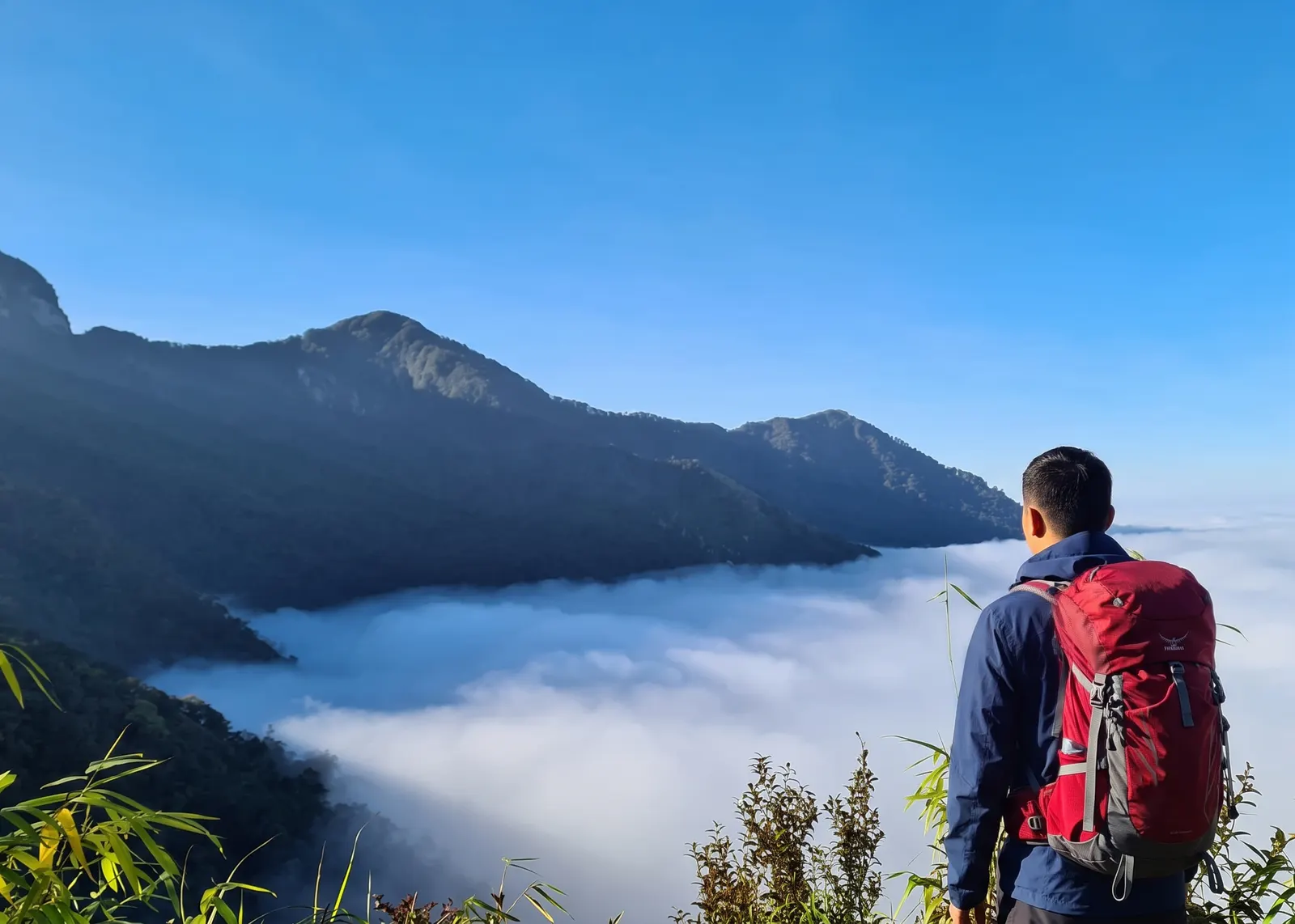
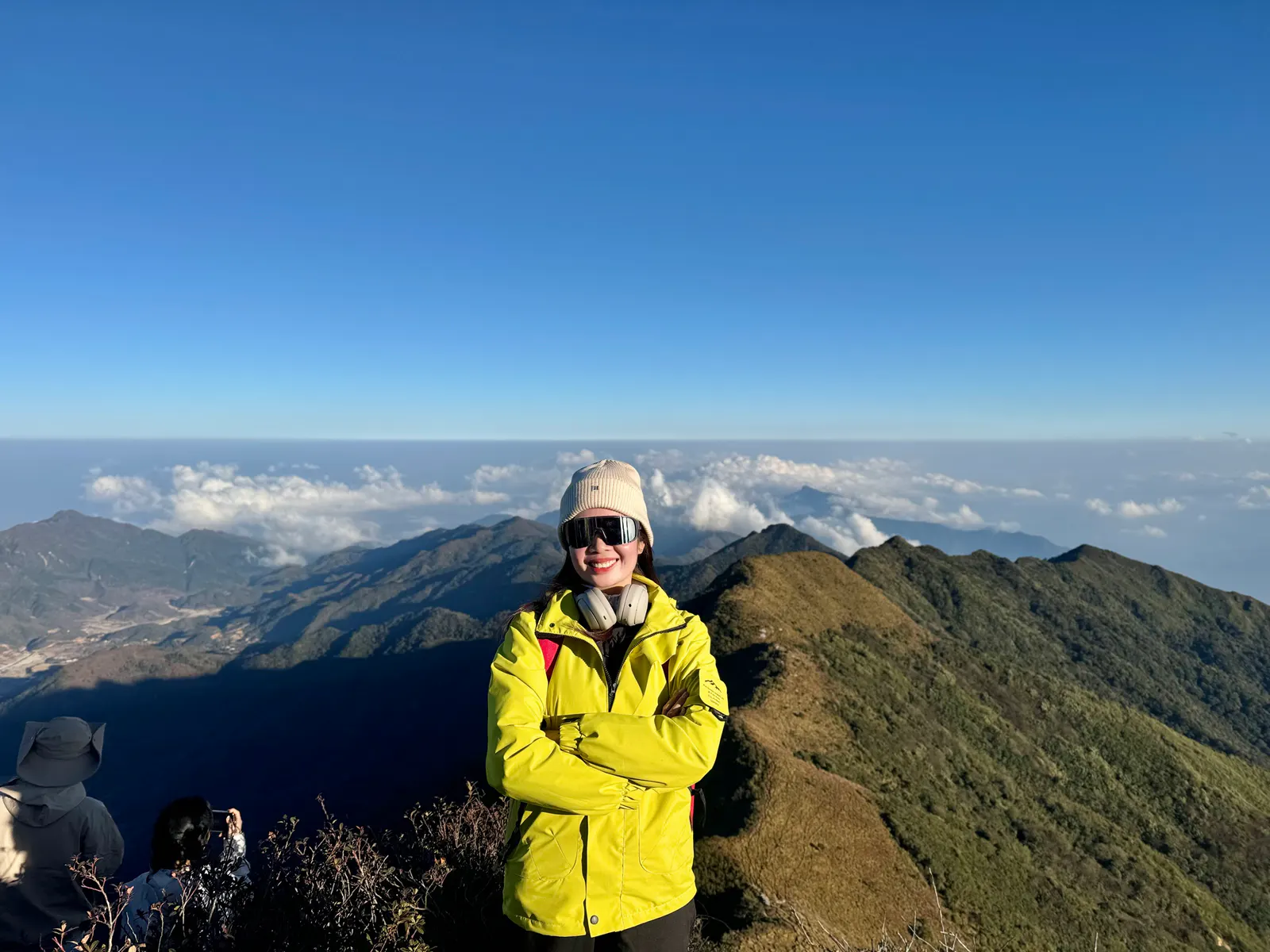
Minh chuan bi di cung 2 ngay 1 dem lan dau. Balo 20L co du neu mang ao mua, nuoc, do an nhe va mot bo quan ao du phong khong?
Phan checklist kha de ap dung. Minh hay bi dau goi khi xuong doc, ngoai gay trekking thi co nen chuan bi them bo goi khong?