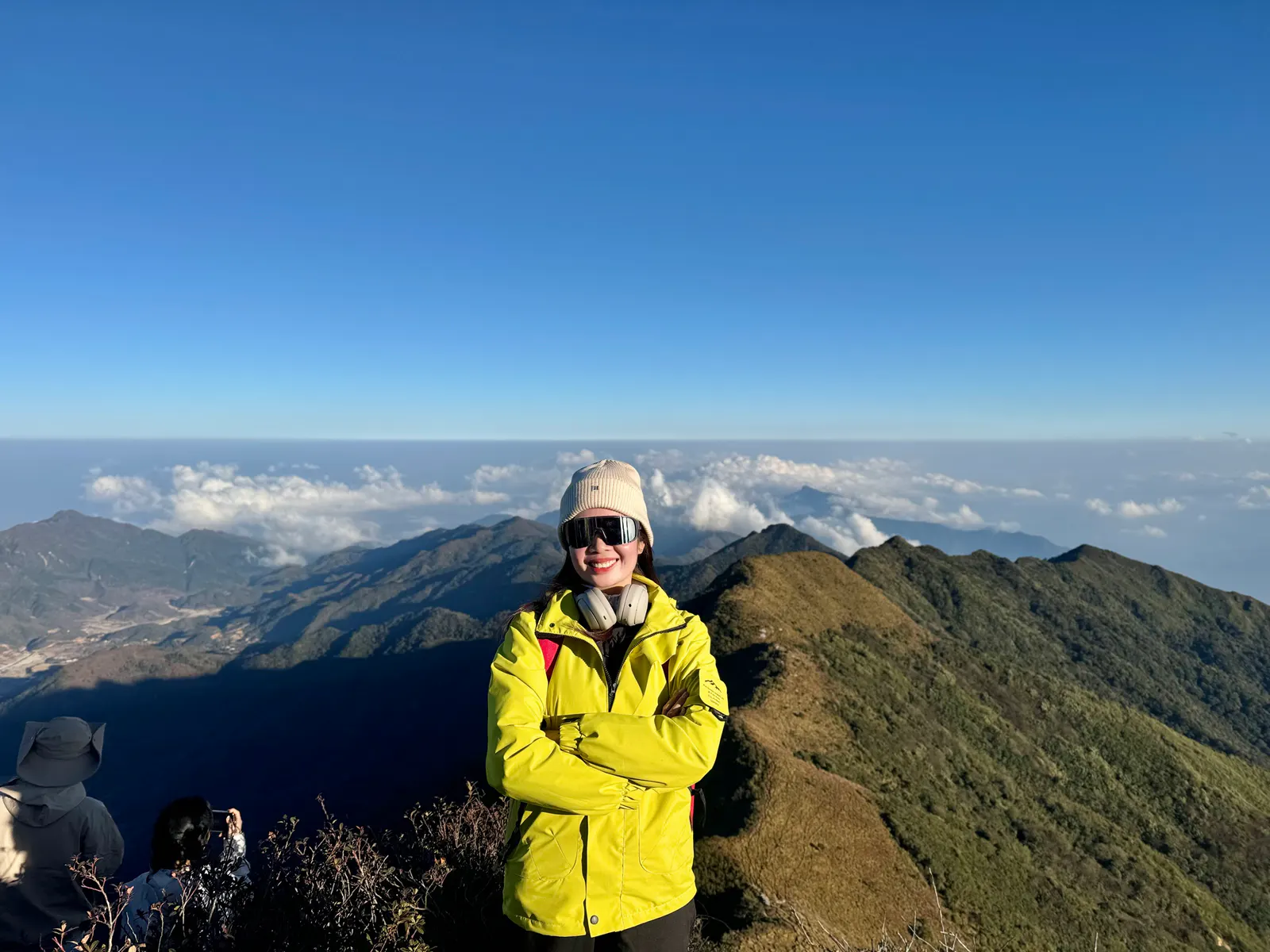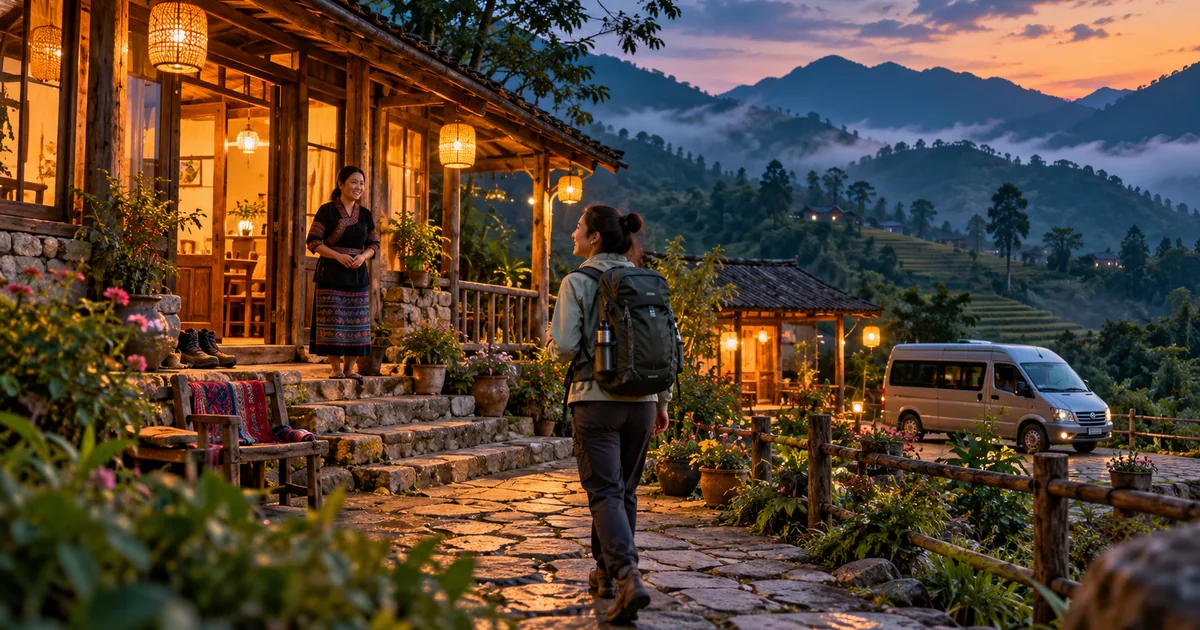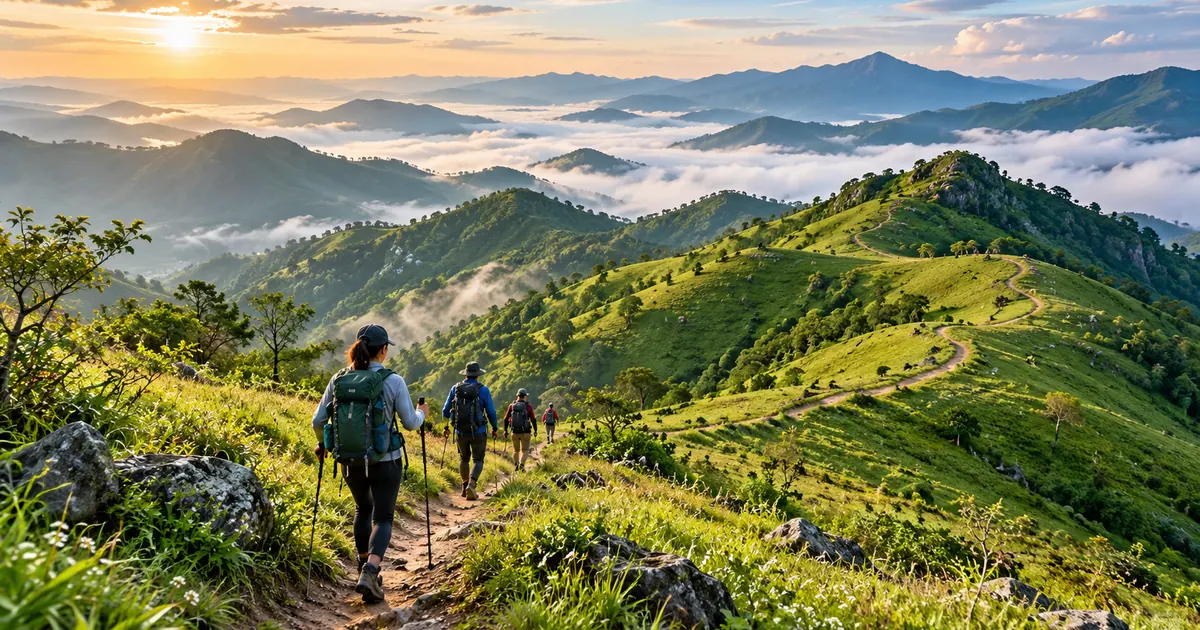
Illustration for this trekking planning guide.
The number of hiking hours per day depends on the route and stage. Read each day separately and distinguish moving time from the full period between leaving a stop and reaching the next one. A tour’s total duration includes more than walking.
Ask about the longest day and the effort required on the following day. Those details help you prepare more effectively than dividing the entire trip into an assumed number of equal walking hours.
Separate three kinds of time
| Time shown | What it can include |
|---|---|
| Whole trip | Road transfers, meals, sleeping, walking and the journey back |
| Day on the route | The period from starting a stage to reaching the next stop, including breaks |
| Moving time | Time spent progressing along the trail, depending on how it is measured |
For example, a hypothetical stage starting at 08:00 and reaching a hut at 17:00 covers nine elapsed hours. It does not establish nine hours of uninterrupted walking. Meals, rests and coordination can fall between those points.
If a tour field says “activity time”, ask whether it describes one day, a main stage or the entire route. Use the detailed itinerary to resolve the meaning instead of assigning it yourself.
Read a day in the context of the programme
The Samu U Bo itinerary sets out the trekking start, lunch and arrival at the mountain hut. Read those milestones together, then ask about the estimated walking time for the group and conditions applying to your date.
That programme also has an evening approach before the first main walking day. Day 0 belongs in your travel calendar, while the following stages describe the mountain walking.
An itinerary is a plan for organising the trip. It is not a measured activity log or an assurance that the group will reach each point at an exact minute.
Why does the same route take different amounts of time?
Group pace, trail surface, rain, rest periods and coordination through difficult sections can affect the day. The distance alone does not capture these factors.
A flat-ground walking speed is a poor basis for fixing a mountain arrival time. Climbing, descending and uneven terrain change the effort. Read the difficulty guide alongside the distance and daily milestones.
Look beyond the longest stage
A demanding day may follow an unfamiliar night’s sleep or precede another long descent. Consider how consecutive stages fit together and what you will carry between overnight stops.
Compare the separate days in Pu Ta Leng and Ky Quan San. Ask which day usually requires the most effort and when there is time for recovery. A three-day label does not supply that information by itself.
Questions to ask before booking
- Which day has the longest time on the route?
- How is expected moving time distinguished from breaks?
- Does the summit stage start before daylight?
- How is the group coordinated if someone needs a slower pace?
- What water and equipment should remain accessible between stops?
- When is the expected return to the city, separate from the end of walking?
Does a two-day trek mean only two short walks?
Read the programme. It can contain full walking days, an early summit stage and a descent as well as the travel night.
Should I copy the itinerary exactly when training?
Preparation needs to fit your current activity and the route. Discuss your experience with the organiser rather than treating the published schedule as a personal exercise prescription.
Once you have chosen a suitable programme, read when to book and allow time for preparation.