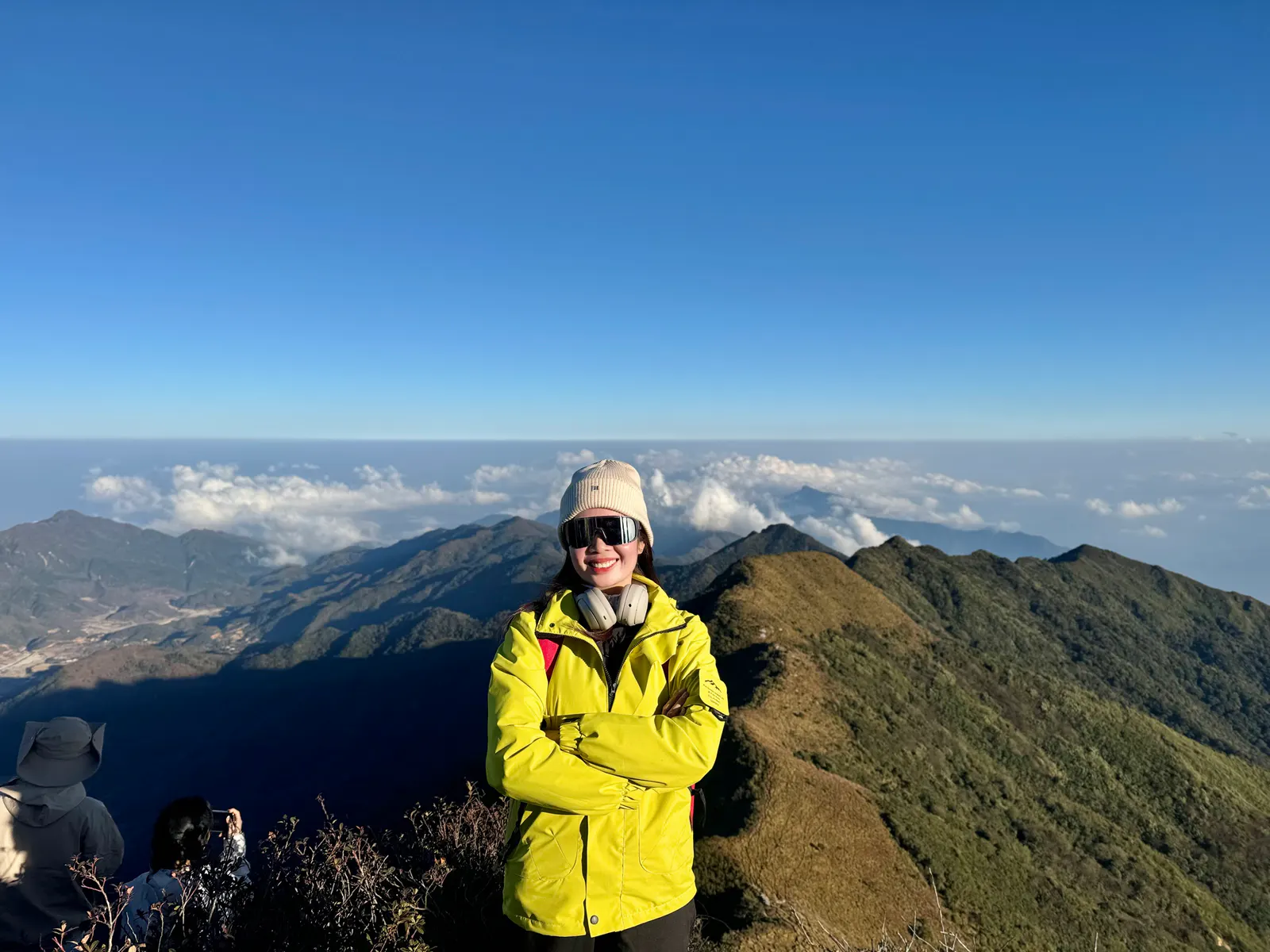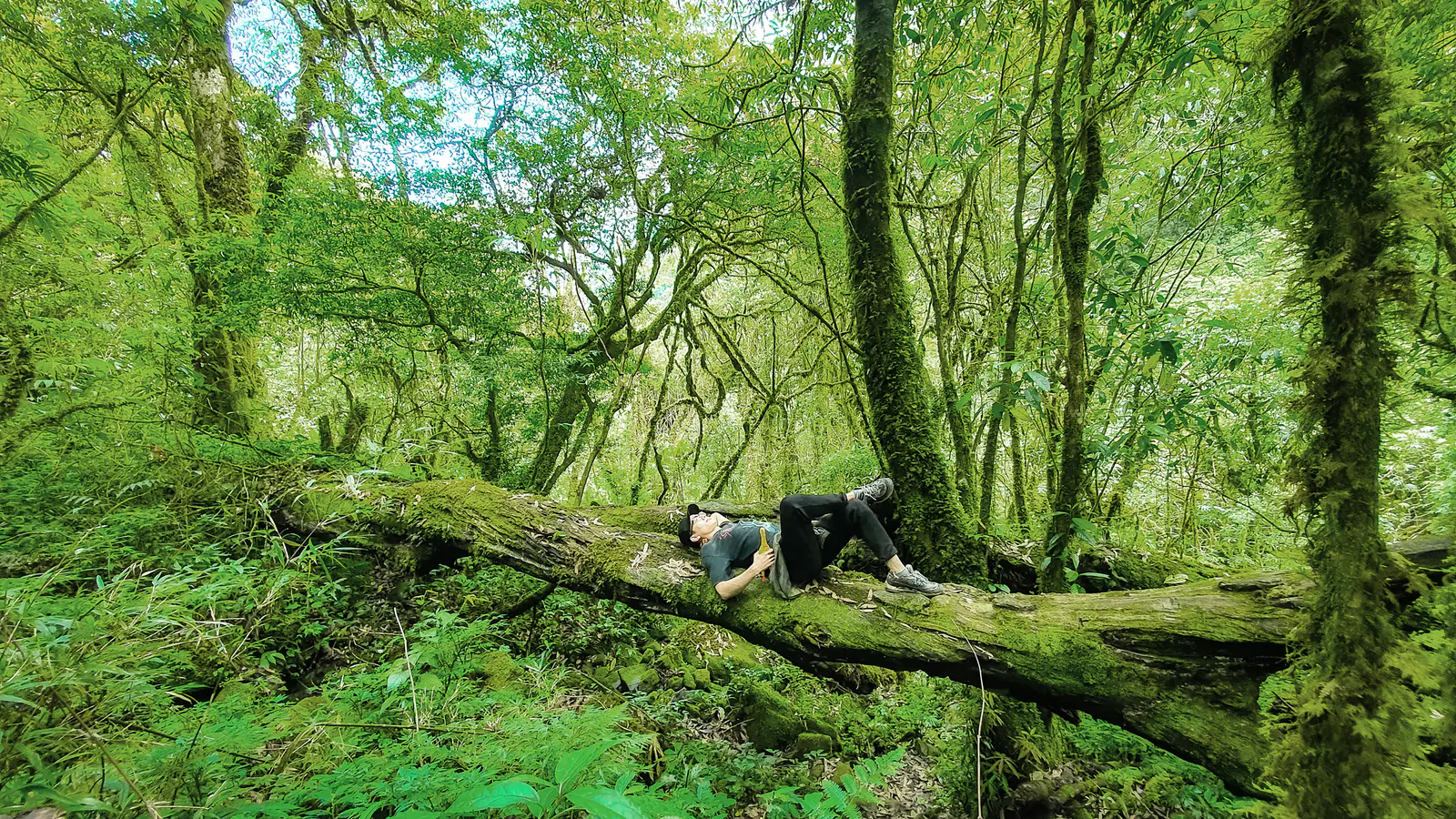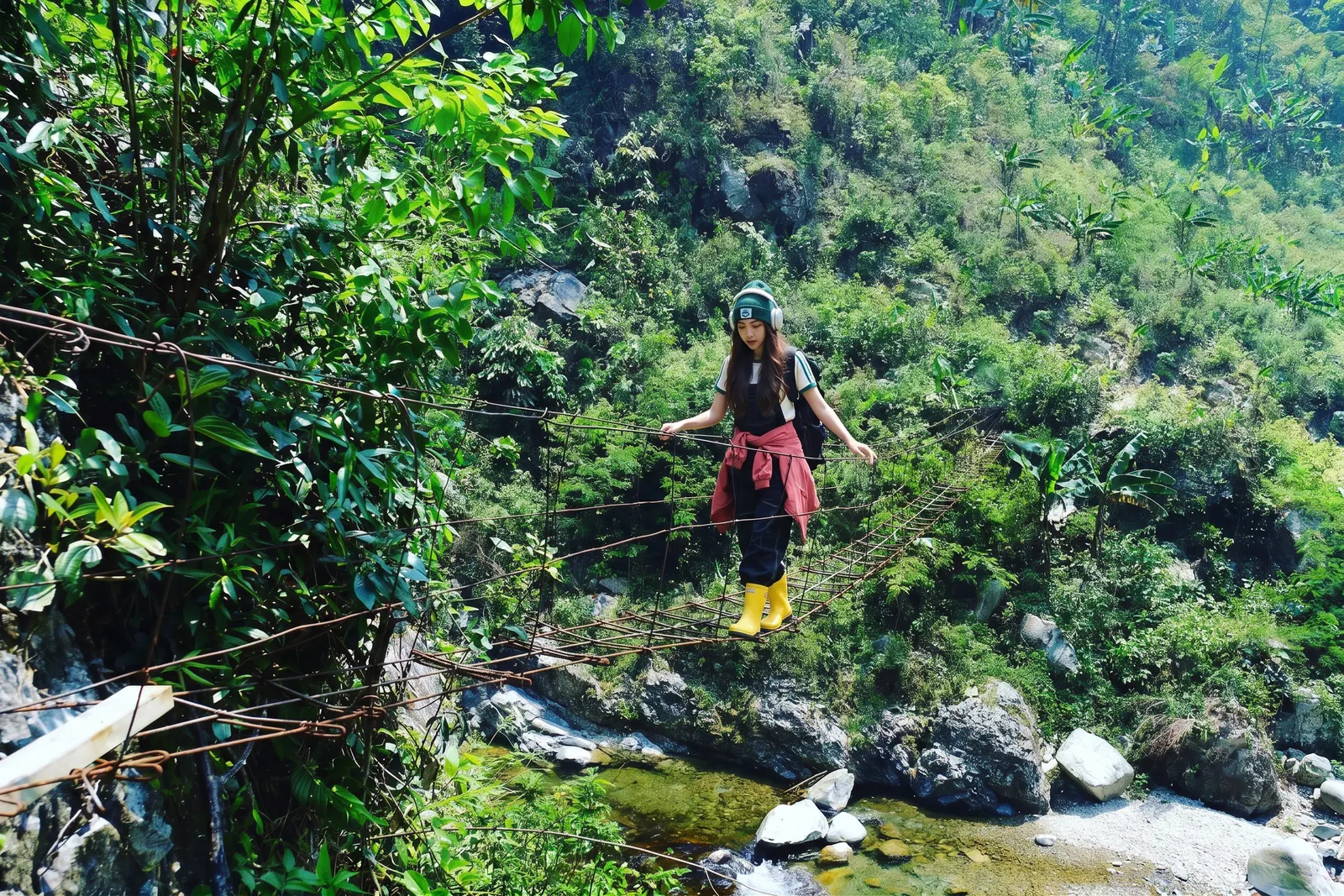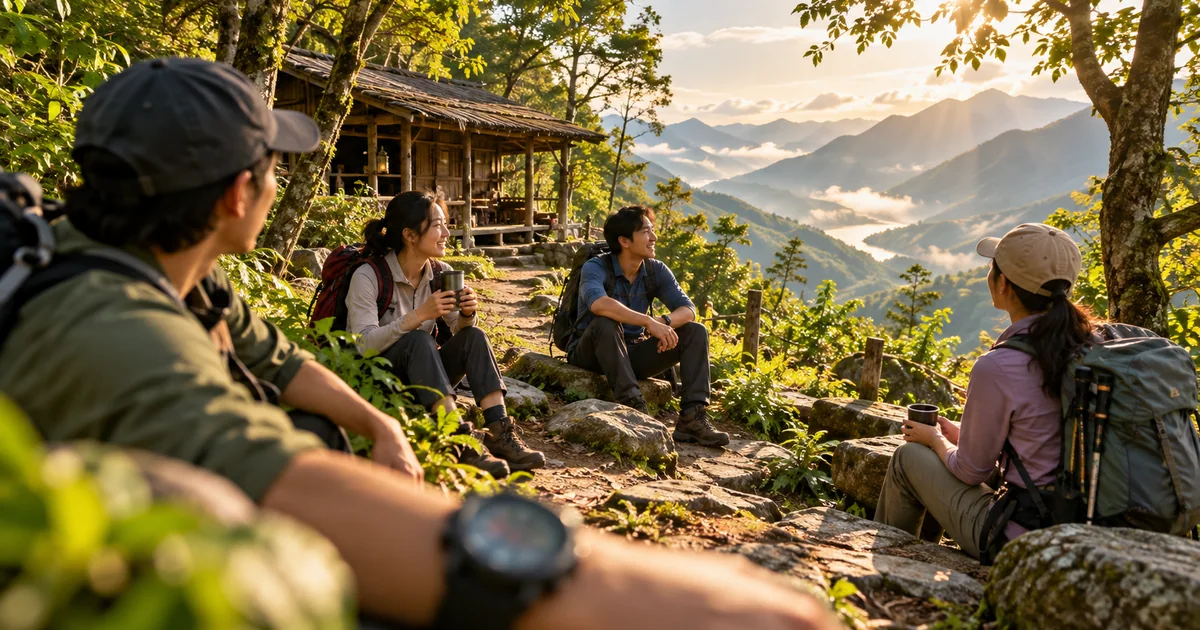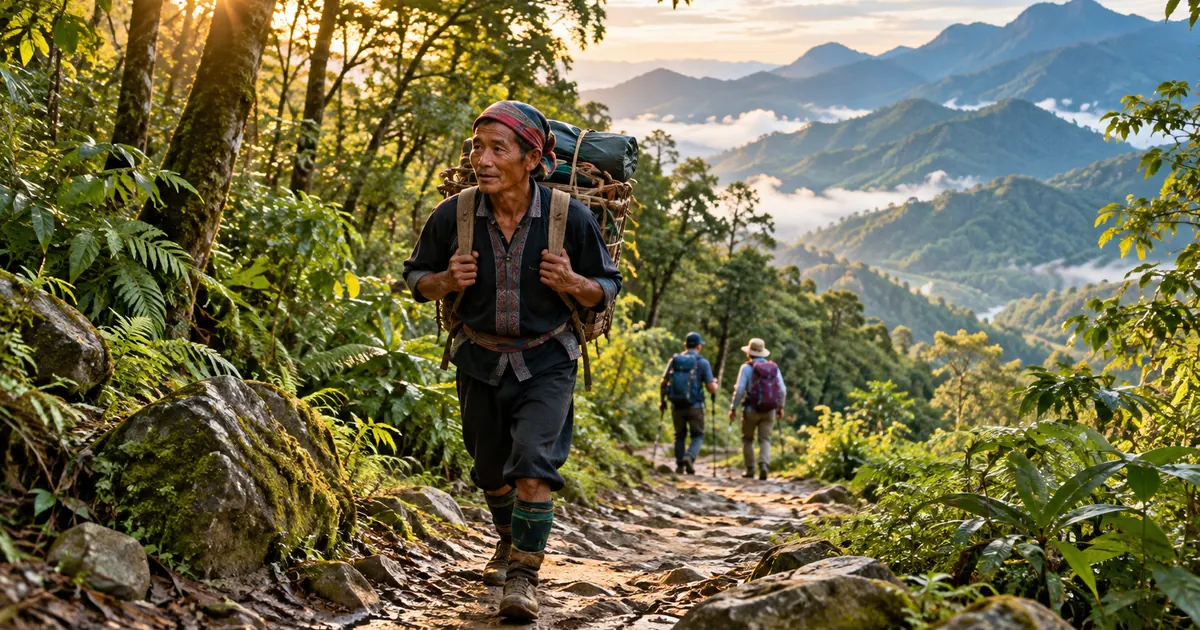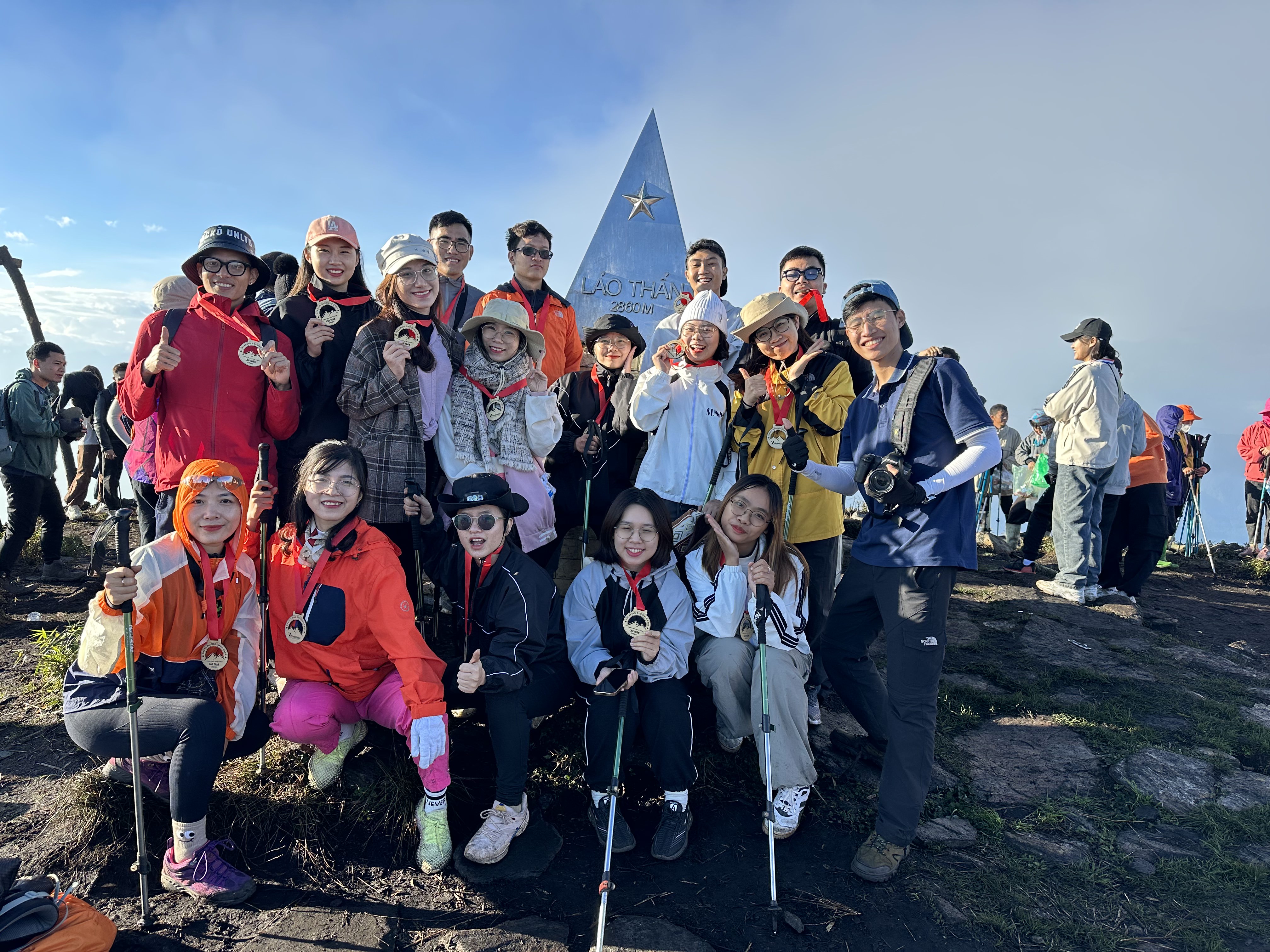

Illustration for this trekking planning guide.
Read trekking difficulty through daily walking time, ascent and descent, trail conditions, the load you carry and overnight recovery. A summit’s elevation or a score out of five describes only part of the route.
UpTrail’s difficulty labels help compare its programmes. Read the itinerary behind each label; do not treat one organiser’s scale as interchangeable with every other scale or as an assessment of your personal readiness.
Five factors behind the effort
| Factor | What to look for |
|---|---|
| Daily time on the route | The longest day, early starts and how breaks fit into the schedule |
| Ascent and descent | Repeated climbing, steep sections and the descent after the summit |
| Trail conditions | Rock, mud, narrow passages, crossings or sections requiring hands |
| Carried load | Your day bag and the confirmed division of luggage |
| Recovery | Accommodation, sleep and the effort required on the following day |
Distinguish summit elevation from climbing
Summit elevation describes a point above sea level. It does not tell you how far you climb from the start or how much ascent is accumulated along the route. Read those measurements separately when they are available.
Distance also needs context. Check whether it describes a return route, a one-way stage or the whole walking programme. Road transfers belong elsewhere in the itinerary. Avoid estimating a mountain day by dividing the distance by your normal pace on flat ground.
Read each day rather than counting nights
A two-day programme can have a long summit-and-descent day. A longer trip can spread walking across several stages while still demanding consecutive days of effort. The number of days alone cannot rank the difficulty.
Compare the full programmes for Lao Than, Lung Cung and Ky Quan San. Ask which day is most demanding, what you carry and where the group recovers before the next stage.
How to read daily walking hours explains the difference between moving time and a day that also contains meals, rests and waiting.
Match the description to your recent experience
Tell the organiser about your recent walking, experience on hills, use of a loaded backpack and how you recover after activity. Describe limitations or discomfort that could affect the trip. A specific account helps more than a general claim to be fit.
For a group of friends, start with the least experienced participant rather than the strongest walker. Ask how the group is managed when people move at different speeds and what the arrangement is if someone cannot continue as planned.
If a health condition or injury may affect participation, discuss it with your healthcare professional as well as the organiser. A website difficulty score cannot provide individual medical clearance.
Questions people often ask about difficulty
Is the highest mountain automatically the hardest trek?
Compare the approach, ascent, trail and daily effort. Elevation is relevant context, but a lower mountain can still have demanding terrain or a compressed schedule.
Does porter support make a difficult route easy?
It may change the load you carry. You still need to complete the walking and descents. Read what porter support means and confirm the actual arrangement.
Where should a beginner start?
Use the beginner trek guide to shortlist suitable programmes, then discuss your experience and dates with UpTrail. Select the route before finalising equipment or travel bookings.