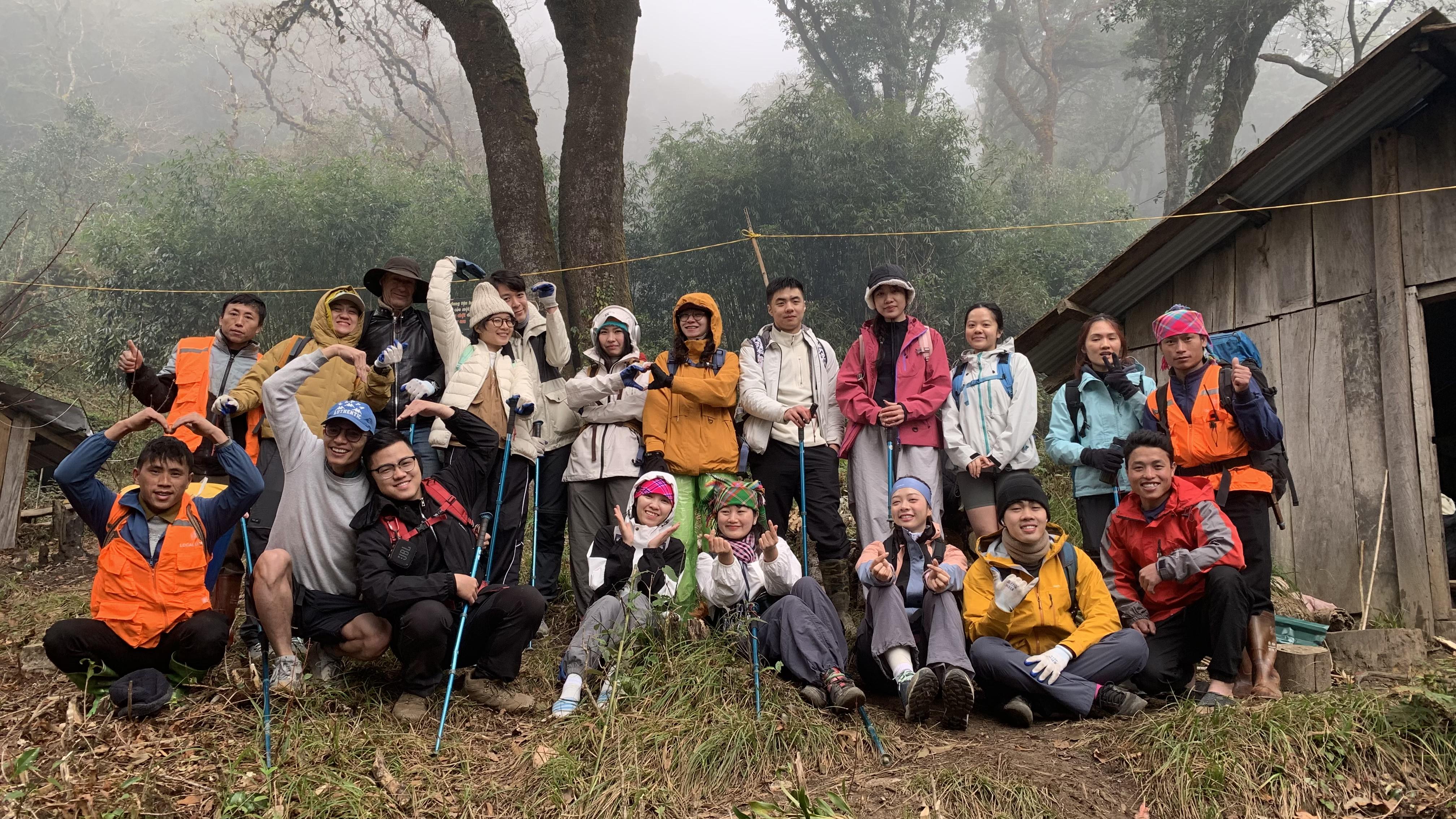
Illustration for this trekking planning guide.
A porter supports carrying and logistics on a trek. The confirmed role may involve shared equipment, personal luggage or arrangements at an overnight stop. A porter and a guide can work together, but their responsibilities are not automatically the same.
Check the support included in your selected programme and what you must keep in your own day bag. The word “porter” alone does not establish a personal allowance or a porter assigned to each guest.
Who is responsible for what?
| Role | Clarify before departure |
|---|---|
| Guide or group leader | Who briefs the route, coordinates pace and communicates decisions? |
| Porter and logistics support | Which shared or personal items are carried, and what support is provided at stops? |
| Participant | Which essentials stay with you, and how do you report needs to the team? |
One person may perform more than one task within a particular team. Clear responsibilities and a known point of contact matter more than assuming a job title covers every service.
Read the tour inclusions and the selected programme before planning your bags. Ask about an allowance, any extra charge and whether additional support can actually be arranged.
Keep items needed during the walking day accessible
Water, a rain layer, a light, personal snacks and any medication you use under your own care instructions need to remain accessible. Manage documents, your phone and valuables appropriately. Do not put everything into a bag you hand over.
Evening clothing or other items not needed on the stage may be separated if the agreed service allows. Confirm when and where you receive that bag again. A porter who goes ahead to the hut will not necessarily be beside you when you want something.
Use the packing checklist to divide equipment into what you carry and what is handed over. Choose your day bag around that actual division.
Confirm the allowance for the specific trip
Some UpTrail programmes state personal luggage support among their inclusions. Check the limit and handover arrangement on that route. A figure from one mountain programme should not be applied automatically to another.
Pack a separate supported bag compactly and make it identifiable. Discuss unusual items, fragile equipment or a larger load before the departure. Arriving at the trailhead with more luggage than agreed leaves less opportunity to find a workable arrangement.
Include carrying arrangements when assessing difficulty
Your carried load affects how the day feels. Confirming support helps you understand the actual walking requirement; it does not replace the preparation needed to climb and descend.
Compare the logistics in Lao Than and the multi-day Pu Ta Leng programme. Check each evening’s stop and luggage access rather than treating the whole trip as one handover.
Work respectfully with the support team
Ask before requesting additional tasks, hand bags over on time and keep rubbish or wet items from affecting shared luggage. Seek consent before photographing a person or publishing a story about them.
Carrying support is an agreed service. Do not treat someone’s ability to carry a large load as a reason to make unlimited requests. Coordinate changes through the group’s contact.
Does porter support mean I do not need to prepare physically?
You still complete the walking, ascent and descent yourself. Read the difficulty guide with the actual luggage arrangement in mind.
Will my supported bag always be available beside me?
Confirm the handover and collection points. Keep anything you may need between those points in your own accessible bag.
Ask UpTrail about luggage support for the route and date you are considering before finalising your packing.