Illustration for this trekking conditions guide.
Cloud-hunting conditions depend on several weather factors and the viewpoint together. A high humidity value or a month called “cloud season” cannot guarantee a sea of clouds. Standing above a cloud layer and standing inside fog produce different views.
Separate cloud views from obscured visibility
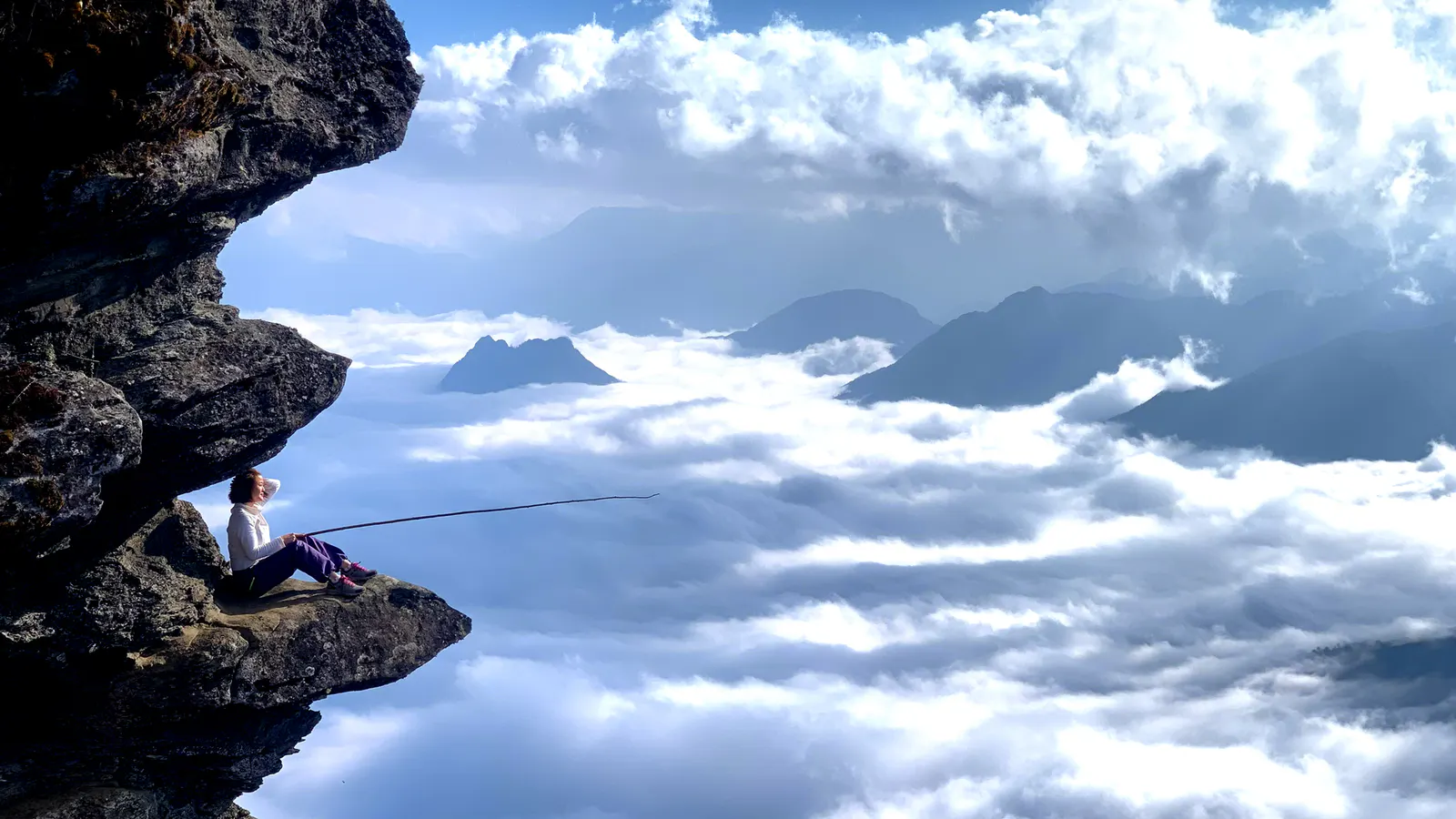
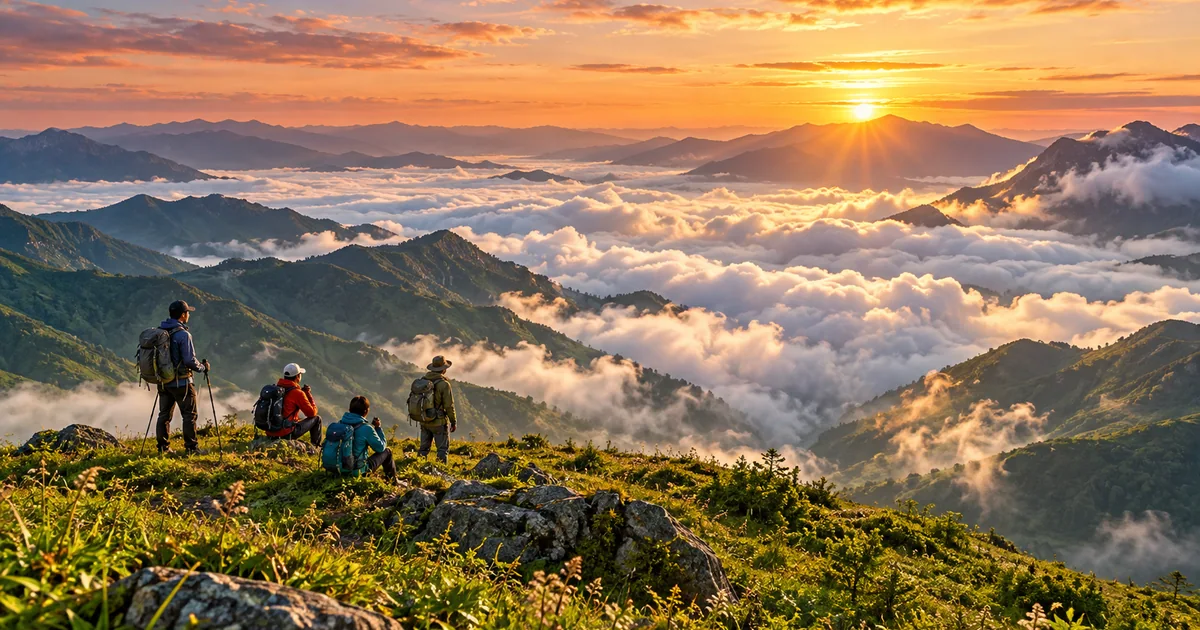
From above a suitable layer, clouds may appear spread below the mountains. If the viewpoint lies inside cloud or fog, visibility can instead be limited. Hearing that the forecast is cloudy does not establish which experience you will have.
Terrain and the viewing position matter. A photograph records one angle at one time; it is not a commitment for another departure.
| Information | Question it helps frame |
|---|---|
| Humidity and temperature | What atmospheric conditions are forecast? |
| Wind | How might cloud and exposed-route conditions change? |
| Rain and warnings | Does the trip plan need reassessment? |
| Viewpoint | Where is it relative to the possible cloud layer? |
| Timing | When does the programme reach that location? |
| Local observations | What is the route team actually reporting? |
This is a question checklist, not a probability formula. The article does not assign a success rate without a sufficient observation dataset.
Use the season to plan, not predict the result
Northern Vietnam’s seasonal patterns help identify periods to consider. Two departures in the same month can still have different conditions.
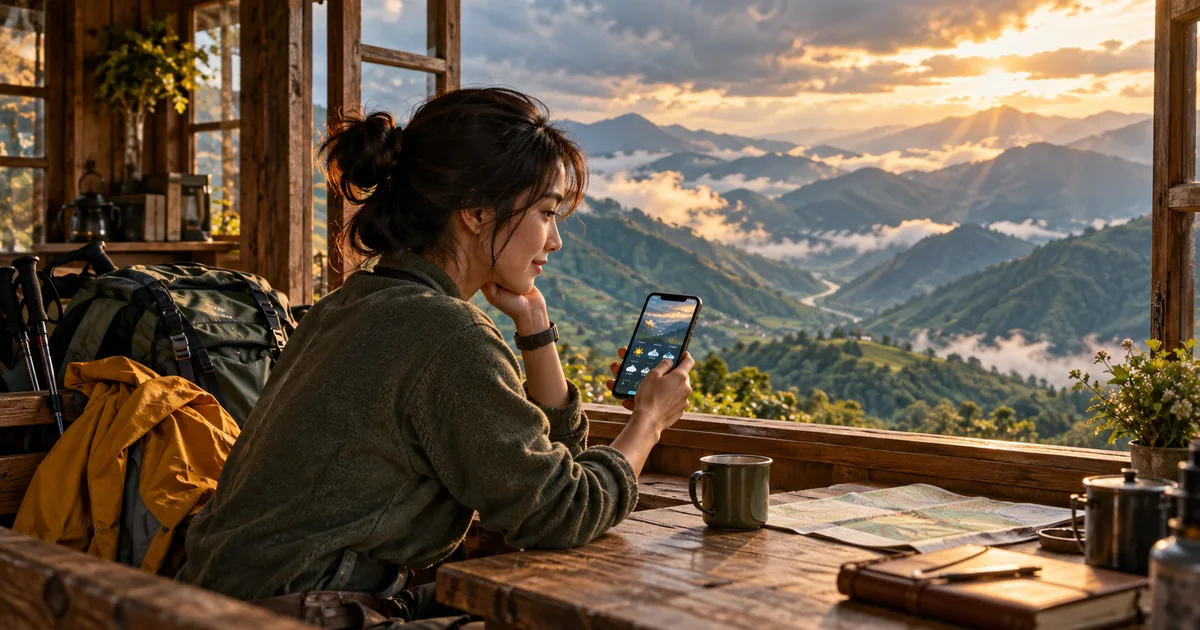
Read the current forecast and ask the team. Sunshine predicted in town does not confirm the cloud layer near the mountain viewpoint.
Consider Lao Than or Phu Sa Phin as complete routes with walking, scenery and group arrangements. Cloud views are a hoped-for natural experience rather than a service that can be guaranteed.
Choose more than one reason to enjoy the trip
Ask what you would value without the cloud photograph: forest walking, the mountain landscape, the group experience or learning how to manage a trek. That helps select a route that fits you more broadly.
Do not rank one mountain as certain to deliver clouds when the evidence does not support it. Choose the route’s difficulty using your experience and the actual programme.
Read a reference photograph critically
Look for the date, time, route and source. These describe its context, but remain one observation. A few published photographs cannot establish the conditions on every weekend.
Keep photography within the leader’s plan. Do not move towards an edge or separate from the group to find a better angle.
Does high humidity mean a sea of clouds?
No single value settles it. Location and changing conditions matter, and moisture can also accompany reduced visibility.
For general background on fog formation and the role of several atmospheric factors, see Met Office’s fog explanation.