
The best time to trek in northern Vietnam depends on the landscape you want, the route you can manage and current conditions. Harvest terraces, forest flowers, changing leaves and cloud views have different seasonal patterns. Choose the experience first, then check a suitable route and actual departure.
UpTrail uses September to May as its general mountain-trekking season. The best window for an individual tour is more specific and needs checking with that programme. A seasonal guide is a starting point for planning, not confirmation that every route operates throughout the period.
A seasonal framework for northern mountain trips
| Period | Possible focus | What to confirm |
|---|---|---|
| January–February | Winter mountain atmosphere and opportunities for cloud views | Cold, wind, visibility and the actual route conditions |
| March–April | Forest growth and flowers at different elevations | Current flowering information and the demands of the route |
| May–August | Green mountain landscapes on suitable departures | Rain, storms and trail or crossing conditions before any trip is confirmed |
| September–early October | Rice landscapes in highland valleys | Local harvesting dates and whether the itinerary passes the viewpoints |
| Late October–December | Cooler mountain travel and changing forest scenery | Shorter daylight, overnight cold and recent conditions |
The table describes planning interests rather than guaranteed scenery. Y Ty, Mu Cang Chai, Tram Tau and higher Lai Chau routes can differ within the same month.
If you want golden rice terraces
Vietnam’s national tourism website highlights early September to mid-October for northern harvest landscapes. The window varies by valley and year. A mountain summit and the cultivated valley below it are also different locations.
Lao Than connects your planning with the Y Ty area, while Lung Cung is associated with Mu Cang Chai. Ask which part of the programme offers a view of fields rather than assuming the entire walk passes rice terraces.
For the regional harvest window, see Vietnam Tourism’s early-autumn guide.
If you want cloud views
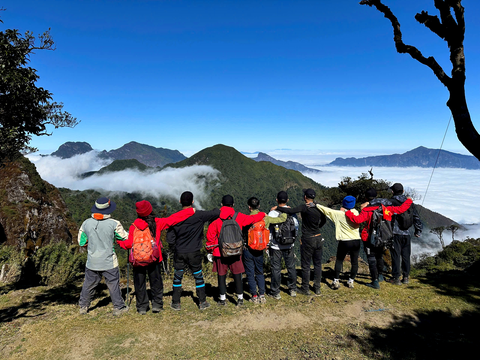
Cooler-season trips are often considered for cloud viewing, but a month cannot establish where the cloud layer will sit on the day. Clear sky, low cloud and fog around the viewpoint produce different experiences.
Choose a suitable difficulty before choosing a summit photograph. The programmes for Ta Chi Nhu and Ky Quan San have different walking demands. Read cloud-viewing conditions without treating the guide as a probability forecast.
If you want forest, flowers or changing leaves
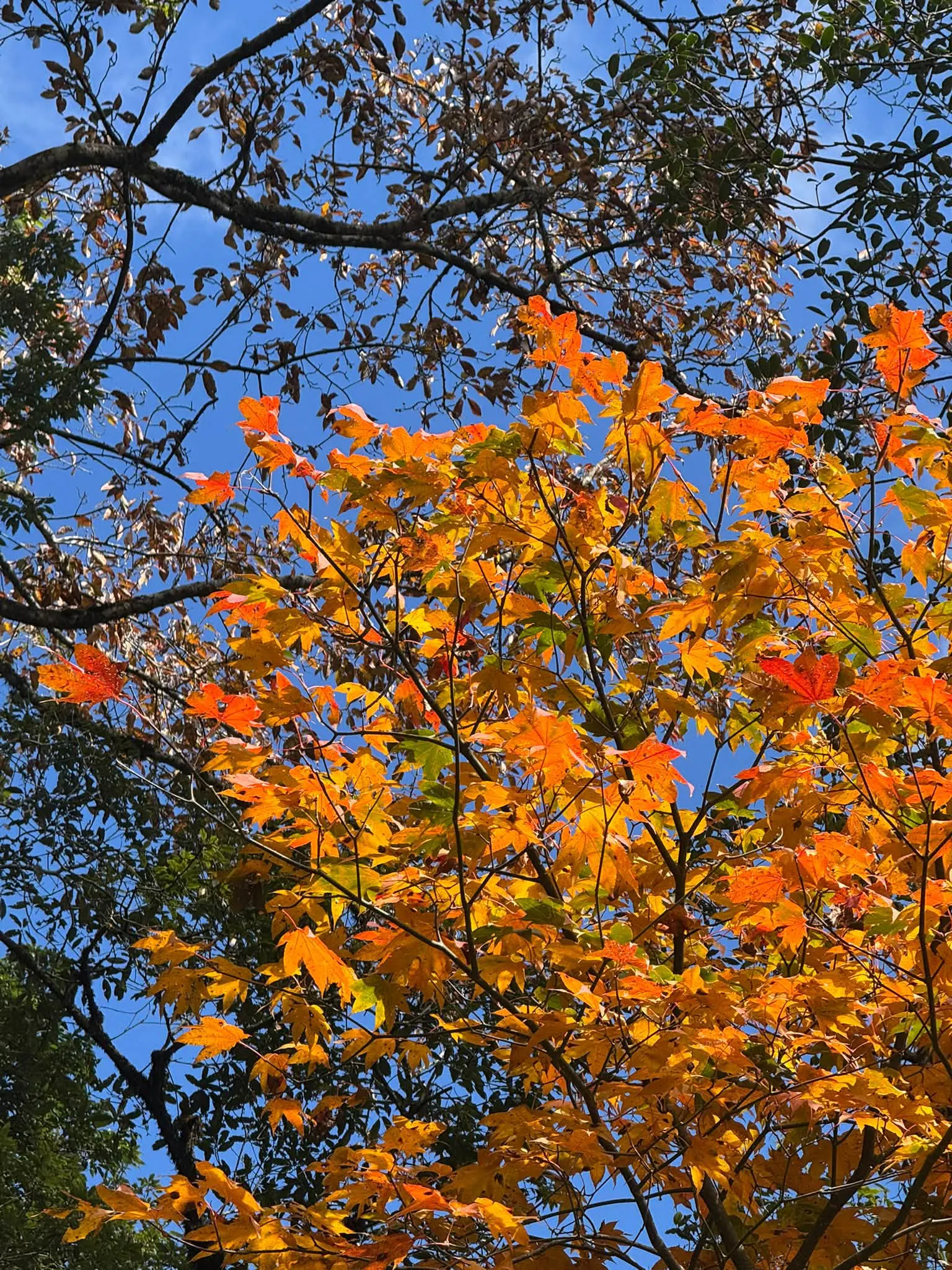
UpTrail’s programmes introduce Pu Ta Leng through its forest and rhododendron interest, and Ta Lien Son and Samu U Bo through forest experiences. Flowering and leaf colour vary with elevation and the year’s conditions.
Ask for dated recent information instead of selecting a fixed bloom day months in advance. Choose a forest you would value outside a peak display too. Stay on the instructed route and leave plants undisturbed.
Use seasonal information and current conditions separately
Rain or a storm can affect surfaces, crossings, visibility and the approach. A comfortable temperature in a nearby town does not establish mountain access. Read rain-related decisions and forecast checks before the departure.
Vietnam Tourism’s Sa Pa page describes autumn and spring conditions as regional travel context. It does not assess the condition of an individual summit route.
For that regional context, see Vietnam Tourism’s Sa Pa information.
Five steps to choosing a date
- Choose the main experience: rice, forest, flowers, cloud views or a mountain challenge.
- Remove routes beyond your current experience.
- Use official seasonal information and dated local observations.
- Read the full programme, requirements and booking terms.
- Recheck current instructions and your equipment before setting off.
Is there one best month for every mountain?
No. Combine the season with the actual route and your needs. Start with beginner selection where appropriate, then check current departures.






Minh du dinh di vao cuoi thang 9 va muon ngam lua chin. Thoi diem nay nen uu tien Mu Cang Chai hay khu vuc Y Ty hon?
Neu muc tieu chinh la san may nhung minh chiu lanh khong tot thi nen chon khoang thang nao de thoi tiet de chiu hon?