Illustration for this trekking conditions guide.
Low-impact trekking starts before departure: reduce unnecessary packaging, follow the agreed route and know how used items leave the mountain. Apply environmental principles together with local rules. A biodegradable label is not permission to leave an item behind.
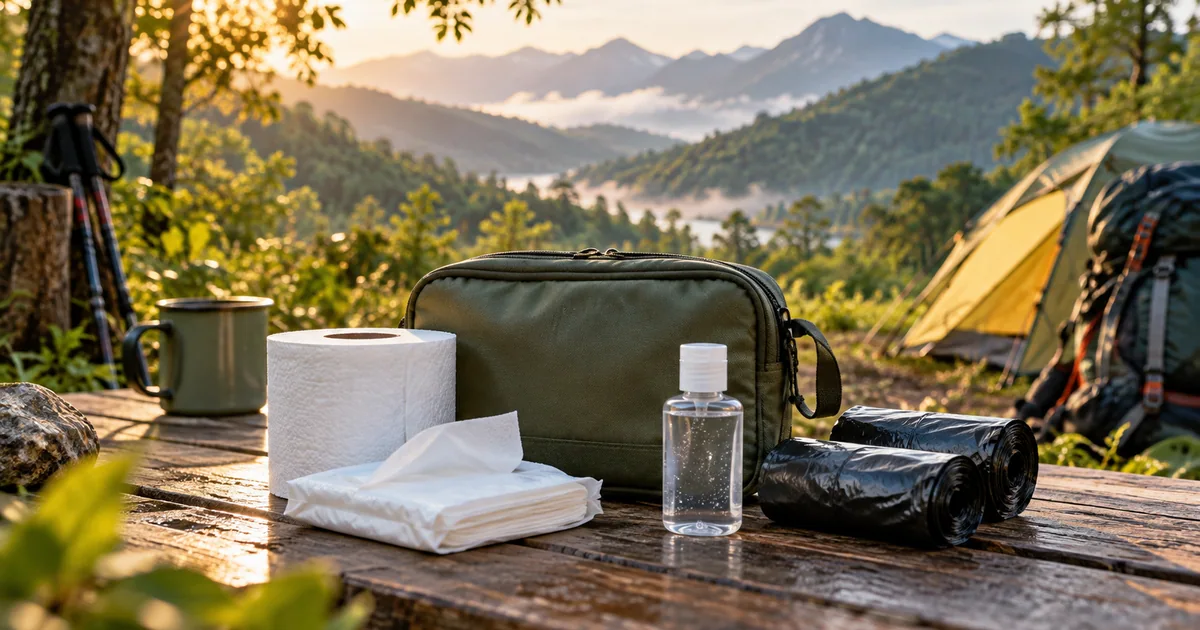
Prepare for the waste you will create
Pack realistic quantities and a way to collect wrappers and personal hygiene waste separately from food. Reusable items can help where they suit the trip, while personal hygiene and essential equipment still need to be met.
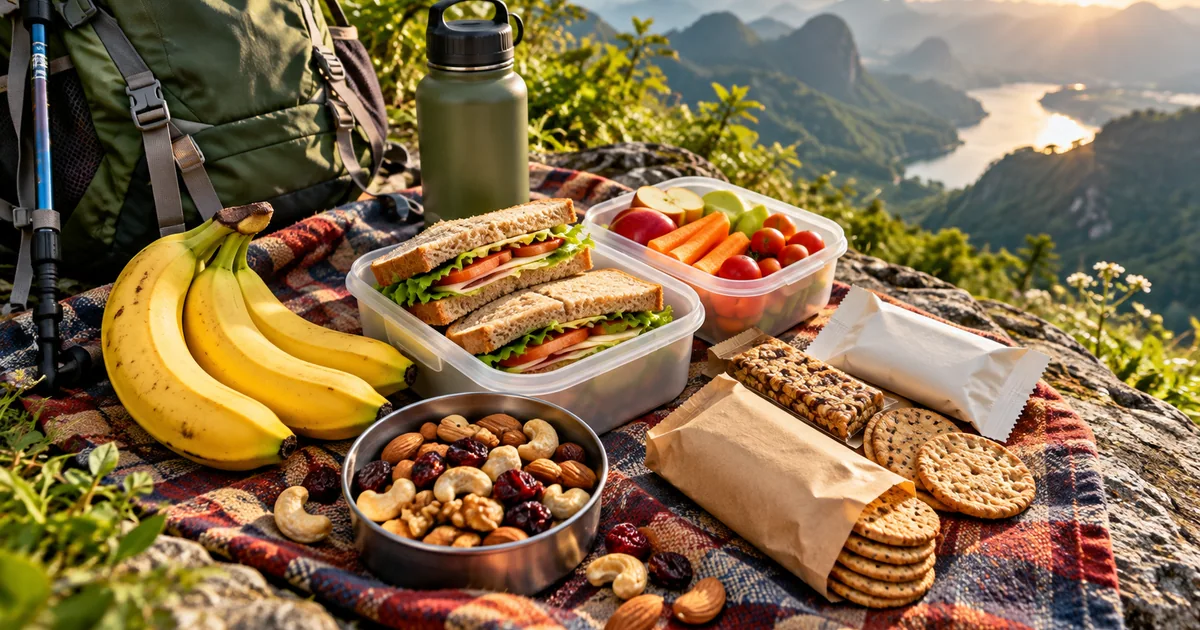
Use the food plan and packing checklist to avoid unnecessary packaging rather than removing needed supplies for the appearance of a greener kit.
Stay on the instructed route
Follow the leader and site rules. Do not make shortcuts, break branches for markers or take natural objects as souvenirs.
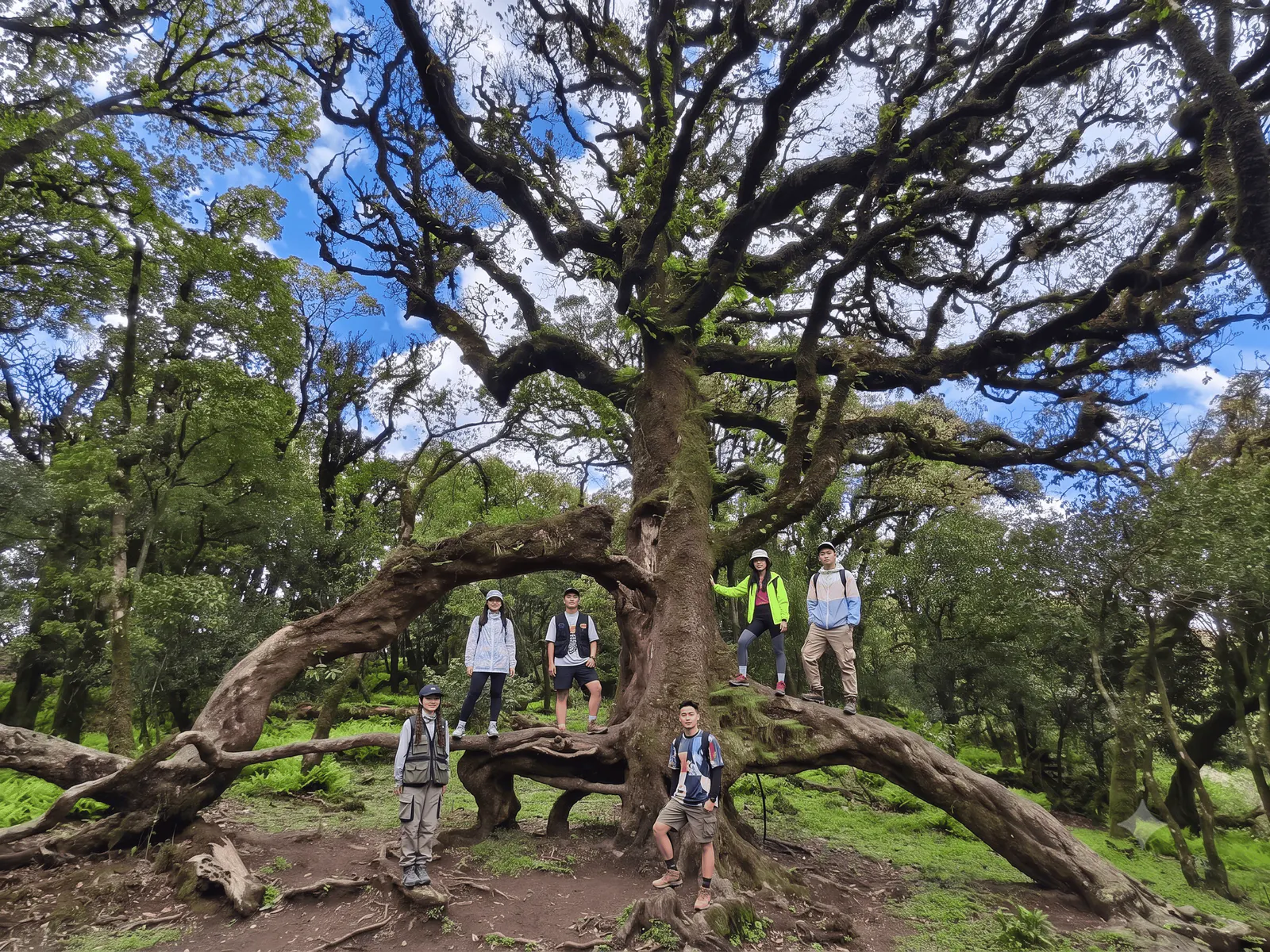
A photo stop should not damage a sensitive surface or obstruct other walkers. For Ta Lien Son or another forest route, use the local instructions rather than inferring access from an online photograph.
| Before walking | During the stage | Before leaving a stop |
|---|---|---|
| Prepare waste storage | Keep used packaging | Check the area you used |
| Choose suitable equipment | Leave vegetation intact | Collect personal items and rubbish |
| Read local rules | Protect shared water sources | Confirm the disposal arrangement |
| Understand the group’s plan | Respect local activities | Avoid leaving unwanted items for others to handle |
This is a way to divide practical tasks, not a certification that a journey has no environmental impact.
Ask about water, washing and toilets
Follow local sanitation instructions rather than applying a universal digging or burial rule. Water sources, ground conditions and regulations differ.
Do not dispose of food, dirty water or cleaning products where they affect a shared source. Ask where disposal belongs before acting. The conditions in a forest are not necessarily those under which a product’s decomposition claim was tested.
Respect people and wildlife
Ask before photographing people or private living spaces. Keep noise appropriate, especially around shared accommodation.
Do not feed animals or approach them for a photograph. Observe under the site’s rules instead of turning a picture into pressure on people or wildlife.
Check the whole area before leaving
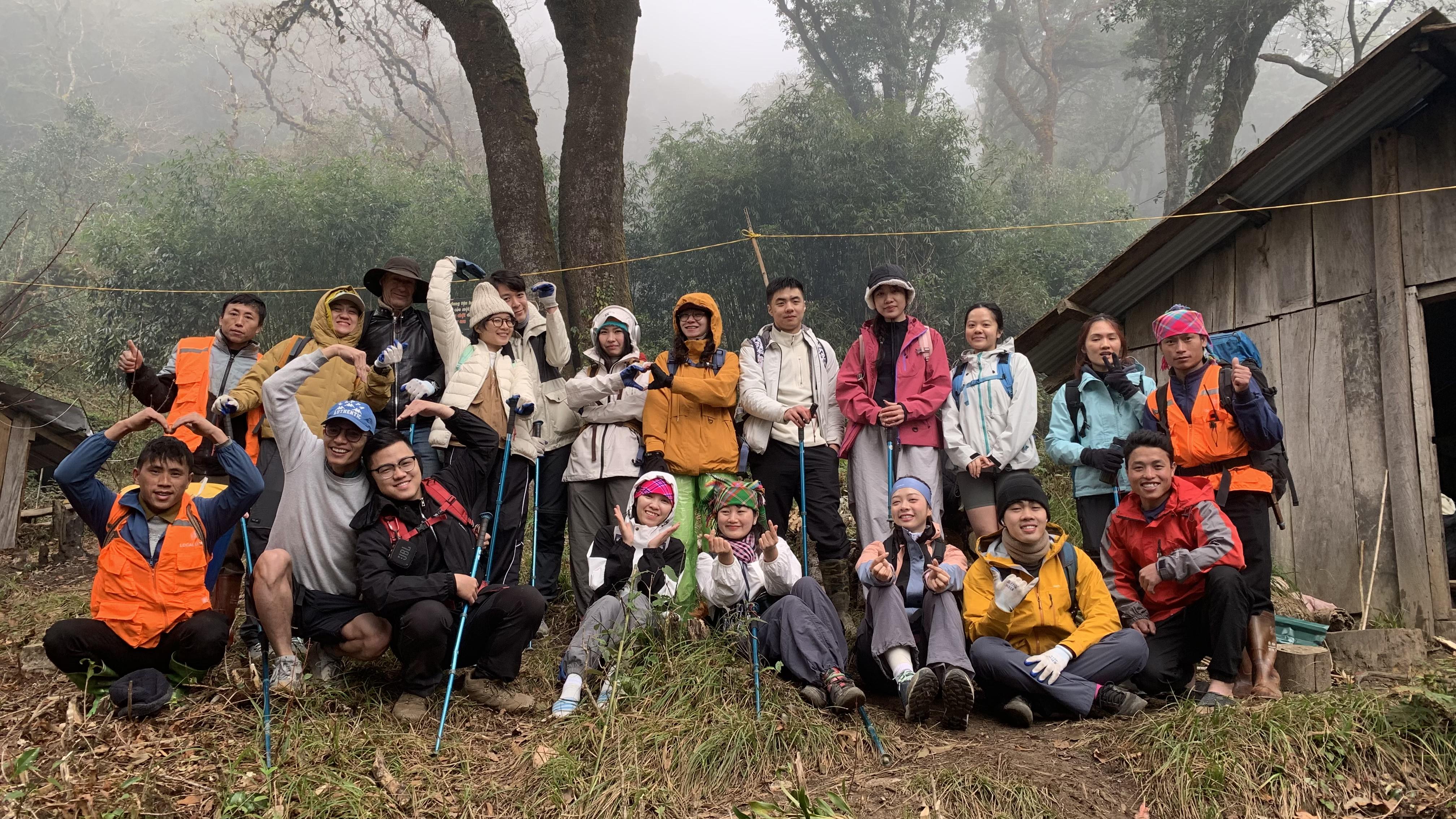
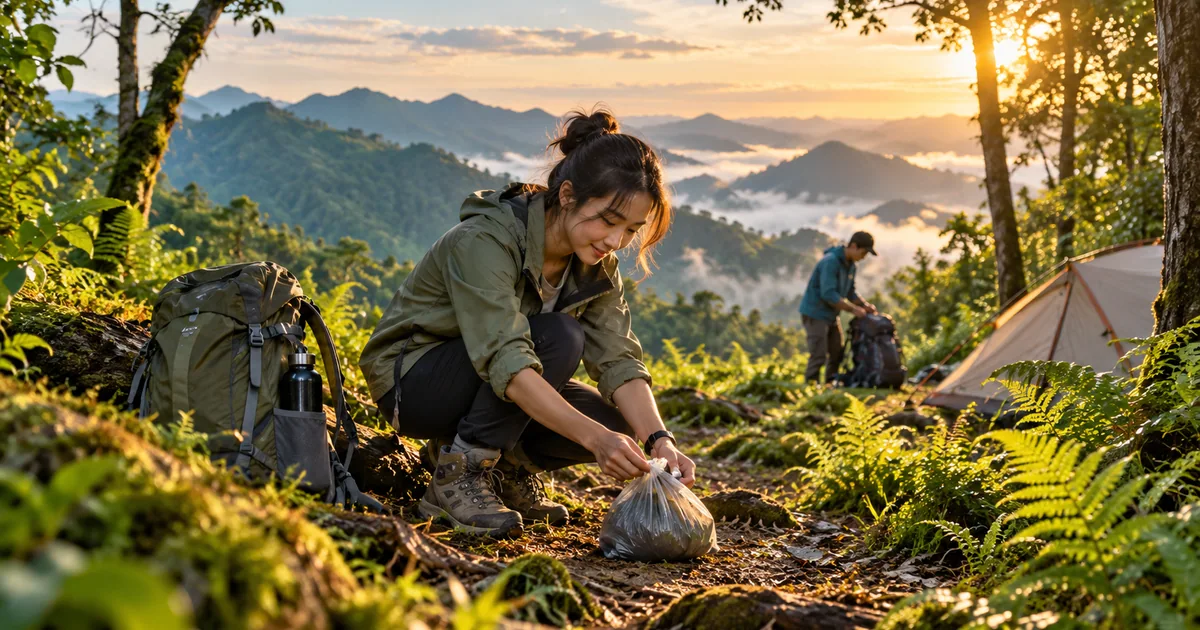
Look around your sleeping and eating spaces for small items and wrappers. Agree where rubbish goes after the descent. Leaving a pile at a hut without a confirmed disposal arrangement does not finish the task.
Can rubbish be burned to avoid carrying it?
Do not decide to burn it independently. Follow the local rules and organised waste plan.
Does collecting other litter replace managing my own?
Manage what you create first. Help with other litter only where appropriate to the conditions and plan.
For the environmental framework behind advance preparation, see Leave No Trace’s preparation guidance.