
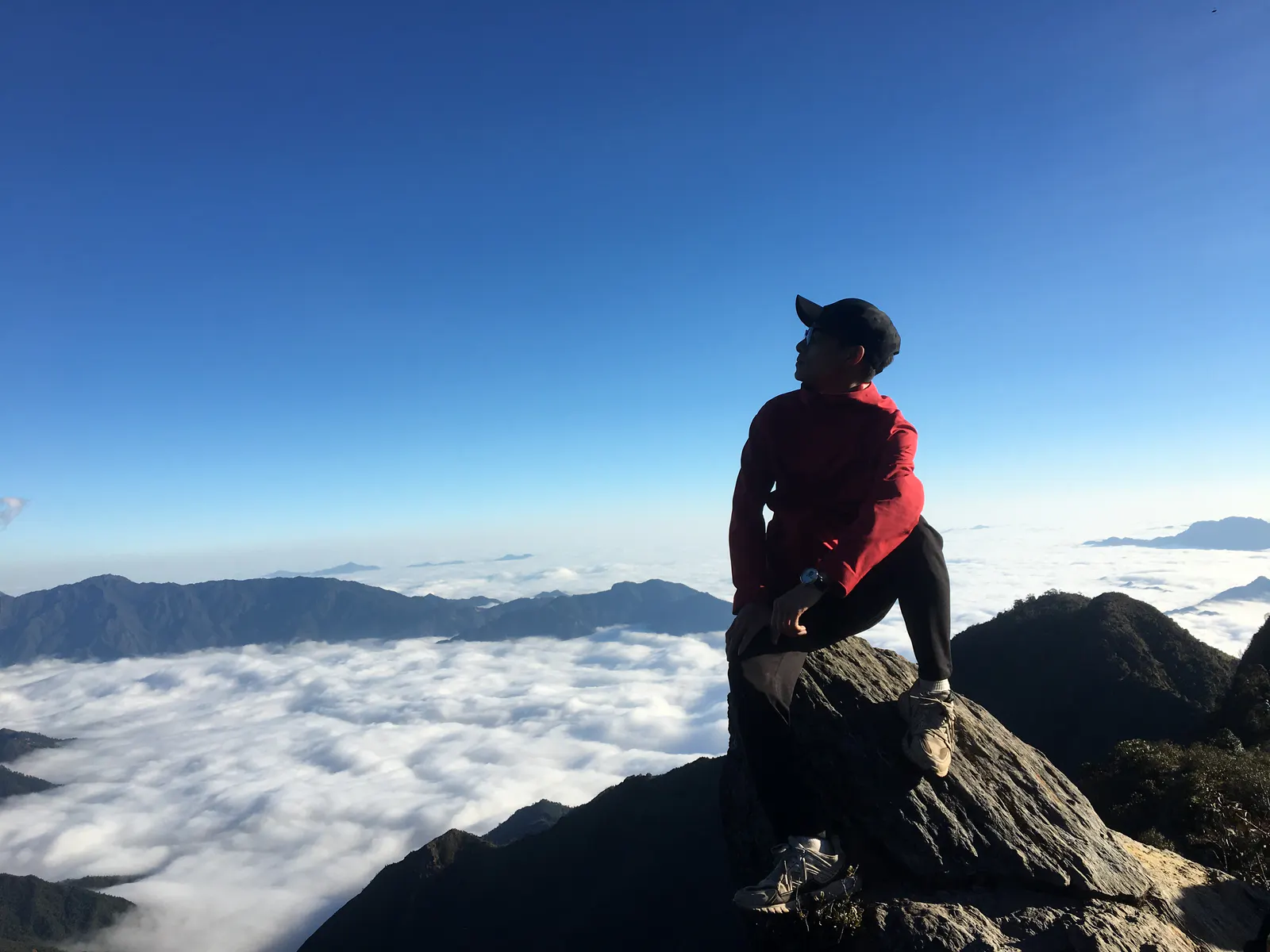
Start planning Phu Sa Phin by identifying the actual trekking route. UpTrail's programme approaches through Xim Vang and Hang Chu, then finishes towards Ban Cong–Tram Tau. The two-day, two-night trip is a forest mountain journey rather than a vehicle-based cloud-viewing outing.
Current route record
| Trek | Walking days | UpTrail difficulty | Recorded summit elevation |
|---|---|---|---|
| Phu Sa Phin | 2 | 3/5 | 2,868m |
Walking days exclude the Day 0 approach. Count all overnight stops in the full programme. Difficulty is UpTrail’s internal scale.
Read the Phu Sa Phin programme for the Day 0 transfer, approach and overnight arrangements. Similar destination names in other travel descriptions do not establish an identical itinerary.
Who should consider it?
The source guide favours walkers with a hill-walking foundation or experience from an introductory overnight route. Forest interest should go alongside preparation for consecutive days and the return.
If you mainly walk level paths, have continuing descent discomfort or have never used your pack for a longer outing, explain that before selecting the date. A forest photograph is not a measure of effort.
The route is more than a cloud viewpoint
Moss-covered trees and the changing forest are central to the description. Roots, damp earth and changes between sheltered and open areas affect pace and equipment use.
The name Ta Xua appears in wider descriptions of the mountain area. Distinguish the summit trek from sightseeing accessed by vehicle. Check the start, exit and programme instead of transferring assumptions from a day-tour review.
Bao Son La's Phu Sa Phin feature describes its forest setting. UpTrail's itinerary is the source for this product's stages.
Prepare for ascent and the exit
The first stage is the time to establish pace rather than spend all your energy early. Organise dry equipment and the following morning's essentials at the overnight stop.
The return through forest still requires attention to changing surfaces. Use manageable steps and local guidance rather than one rule for all roots, rocks or mud. Keep the group informed if your condition changes.
Practical priorities
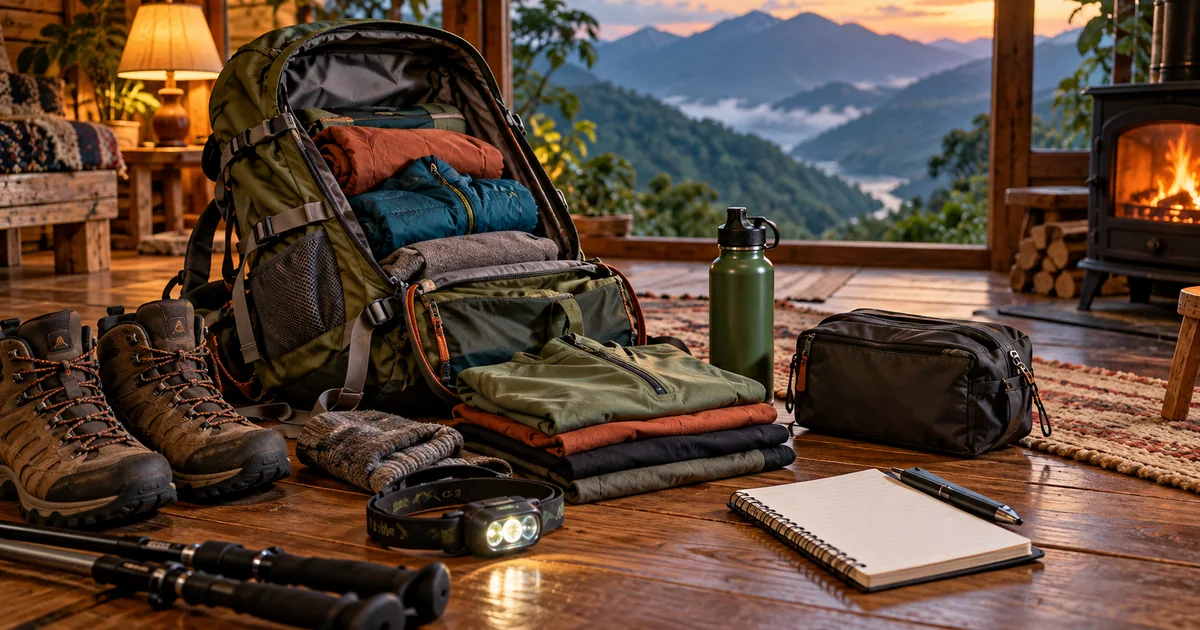
- Try footwear with heel hold and comfortable toes on descent.
- Keep warm and rain layers accessible.
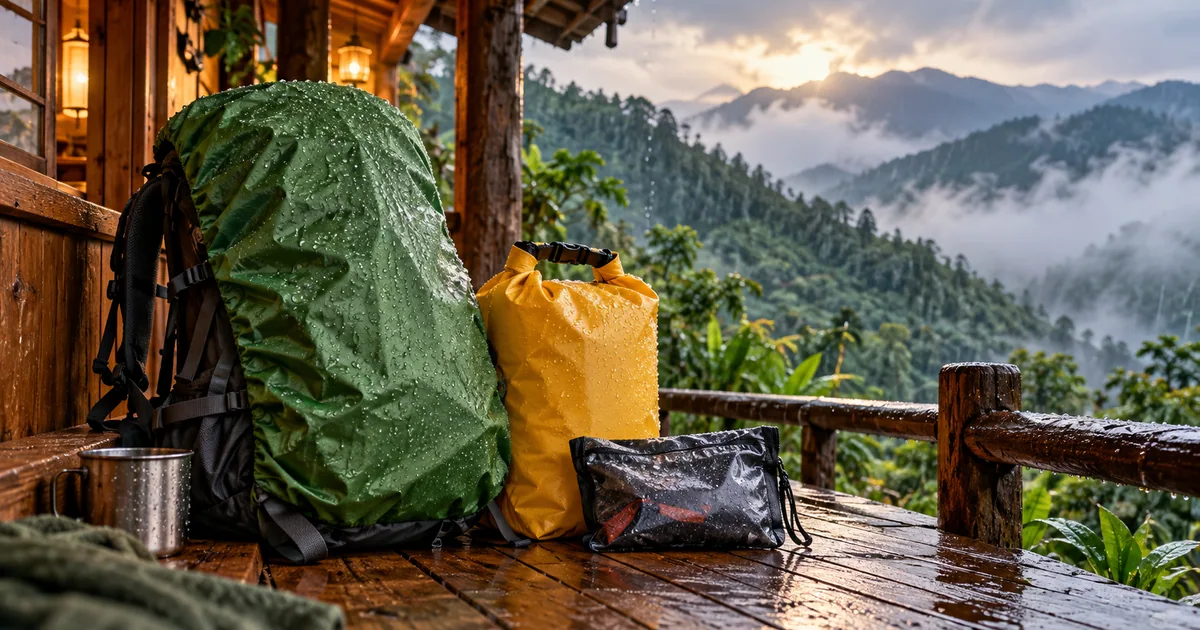
- Protect sleeping clothing, power and documents inside the bag.
- Confirm water, food and personal luggage support.
- Include any camera equipment in the tested load.
Use dry-storage checks and preparation matched to your current activity. A fixed training cycle or a trial walk is not medical clearance.
Season and expectations
Ask about recent trail conditions as well as rain, wind and visibility. Forest atmosphere and cloud views vary; choose a journey you value without a guaranteed photograph.
Is Samu U Bo an equivalent route?
No. Compare their actual programmes and forest experiences, even where their current internal ratings are similar.
What should I check immediately before departure?
Use the final-day checklist and the current group message.

No comments yet. Ask a question or share what you are considering about this trek.