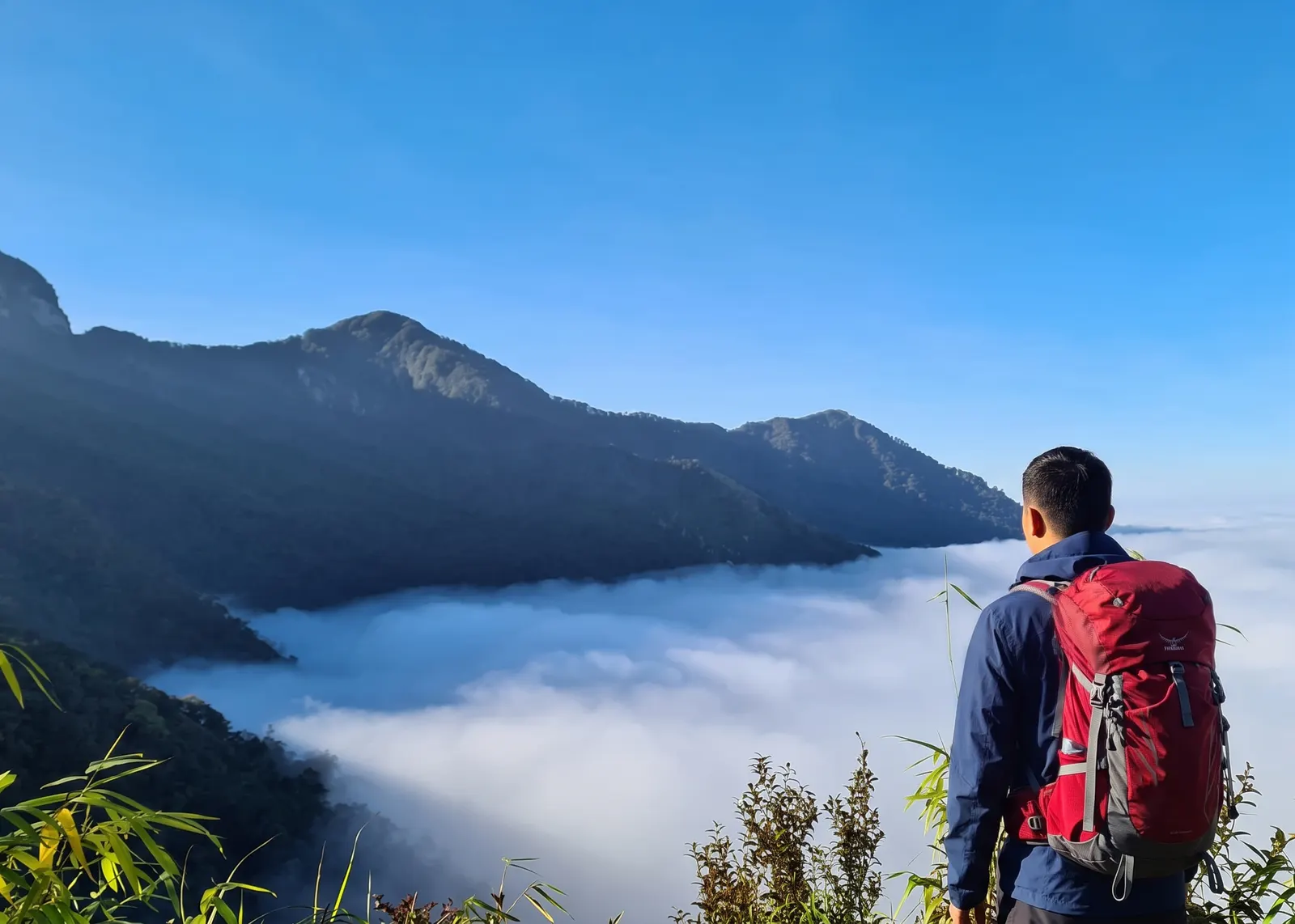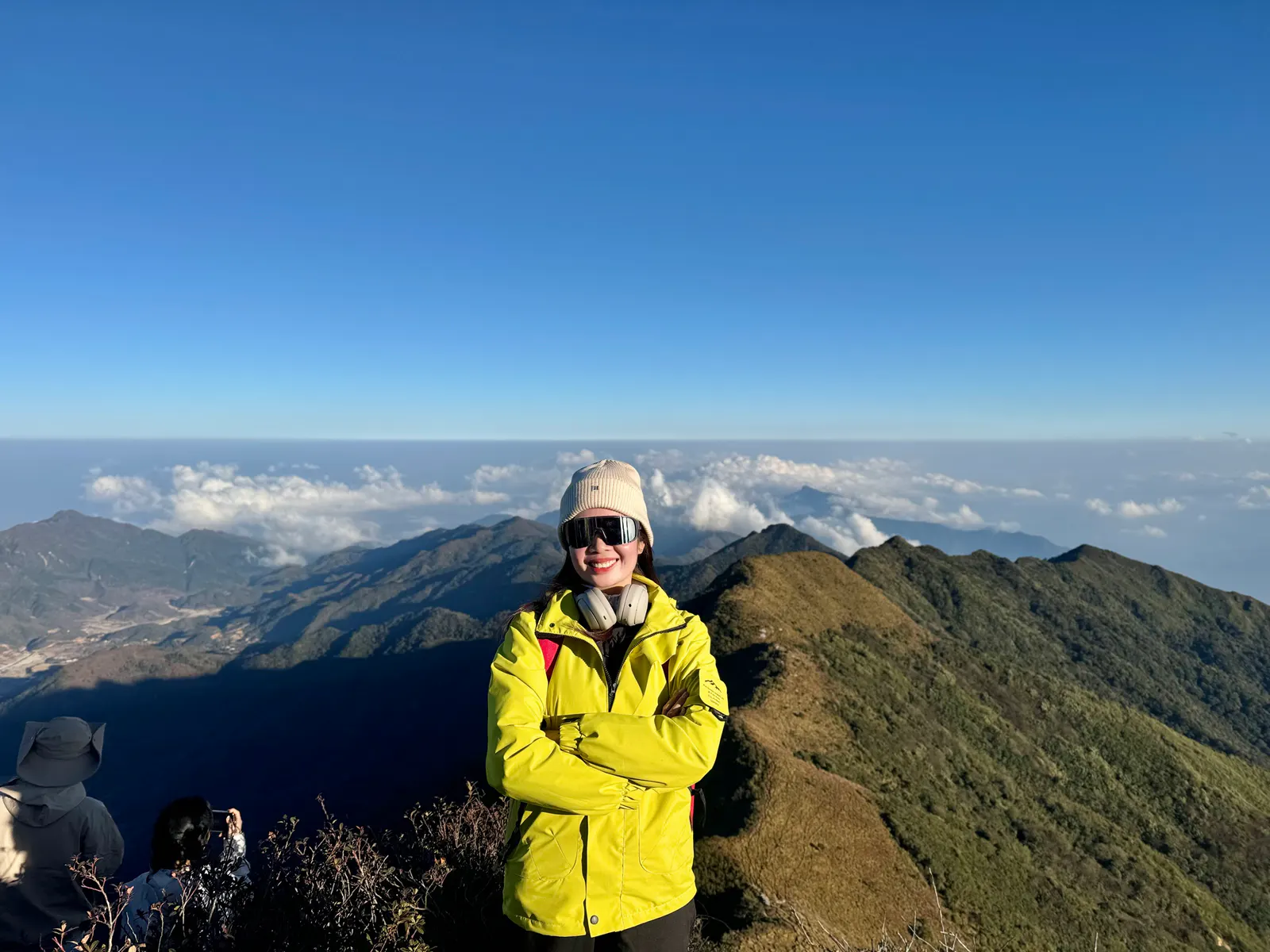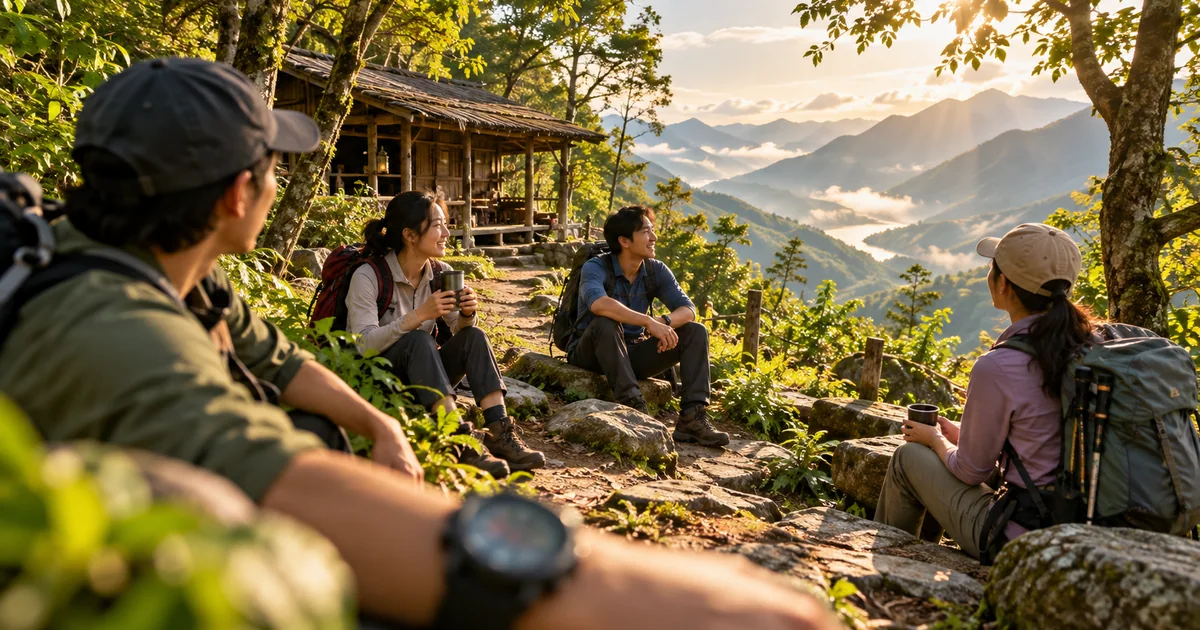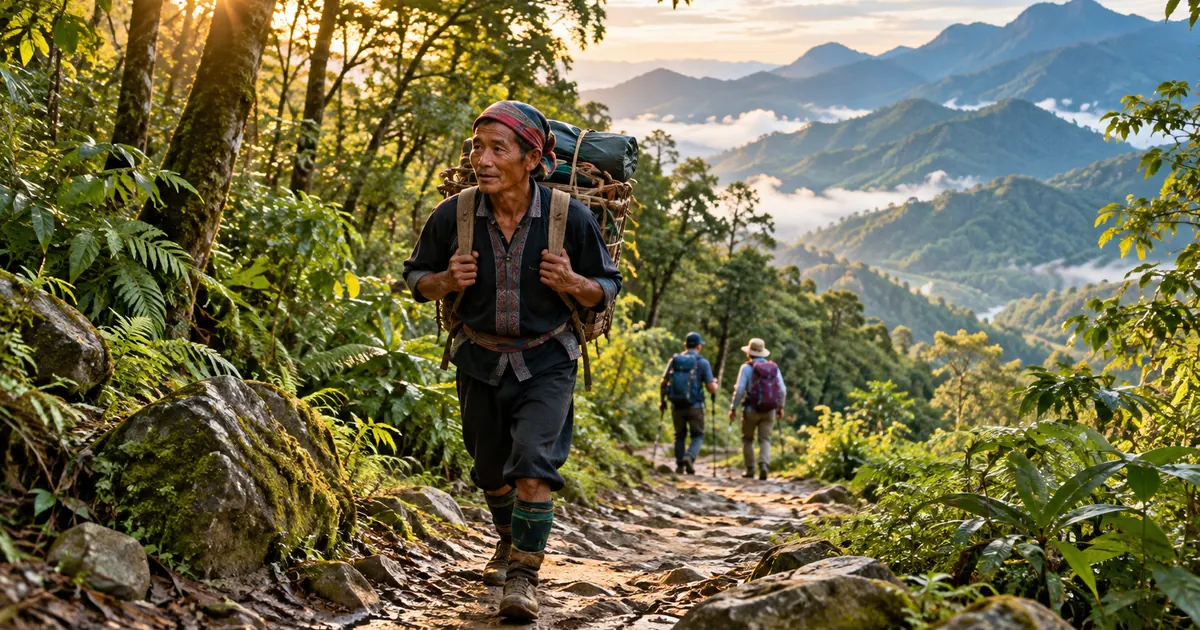

Illustration for this trekking preparation guide.
Train for trekking by starting with your current activity and the demands of your chosen route. Build familiarity with sustained walking, ascent, descent and the equipment you will carry. There is no single performance target that establishes readiness for every person or mountain.
The framework below helps organise preparation. It is not a treatment programme or a test that certifies you fit for a particular route.
Read the longest day before planning training
Check route difficulty and daily walking time. Ask about terrain and personal load. A multi-day trip needs recovery between stages as well as effort during one long day.
Record what you currently do in a normal week: walking duration, hills or stairs, use of a backpack and how you feel the following day. Use this real starting point rather than planning around a routine far beyond your habits.
If an injury, symptom or health condition affects activity, discuss your limits with an appropriate healthcare or training professional. Tell the organiser what is relevant to choosing and supporting the trip.
Build familiarity before adding more demand
Begin with walking you can manage and observe your pace. Note the duration, surface and response. When changing one factor, avoid sharply increasing duration, slope and carried weight together.
A familiar hill or stairs with appropriate support can introduce ascending and descending. Include the return rather than counting only the climb. Follow the pacing guide as you learn what you can sustain.
A four-stage example for recording progress
| Stage | Focus | Record |
|---|---|---|
| Establish a baseline | Activity suited to your present level | Duration and next-day response |
| Introduce hills if appropriate | Controlled ascent and descent | Differences between going up and down |
| Try the trip equipment | Footwear and the planned personal load | Pressure points and unnecessary kit |
| Prepare to depart | Maintain a suitable routine, finish equipment checks and rest | Anything to raise with the organiser |
You could record these stages over several weeks, but they are not a promise of readiness within four weeks. If time is short, explain that honestly instead of compressing missed preparation into the final days.
Check the load and recovery
Confirm what porter support covers, then practise with the kit you will actually carry. Check pack fit before assuming discomfort is only a fitness problem. Do not add weight simply to test how much you can endure.
Record the date, activity, duration, carried equipment and how you feel during and after it. Choose adjustments for a reason. If pain increases or you are not recovering normally, ease back and seek appropriate advice.
Does running prepare me for every part of trekking?
It does not itself provide experience of carrying your pack, sustained descents or consecutive mountain days. Prepare for the actual Ky Quan San itinerary or the route you choose.
What if preparation has not gone as planned?
Contact the organiser early about your current ability and options. Use the final-day checklist for confirmation rather than a last-minute hard workout.
REI discusses endurance, strength and balance, and advises checking a training plan with a qualified professional. See REI’s hiking preparation guide.