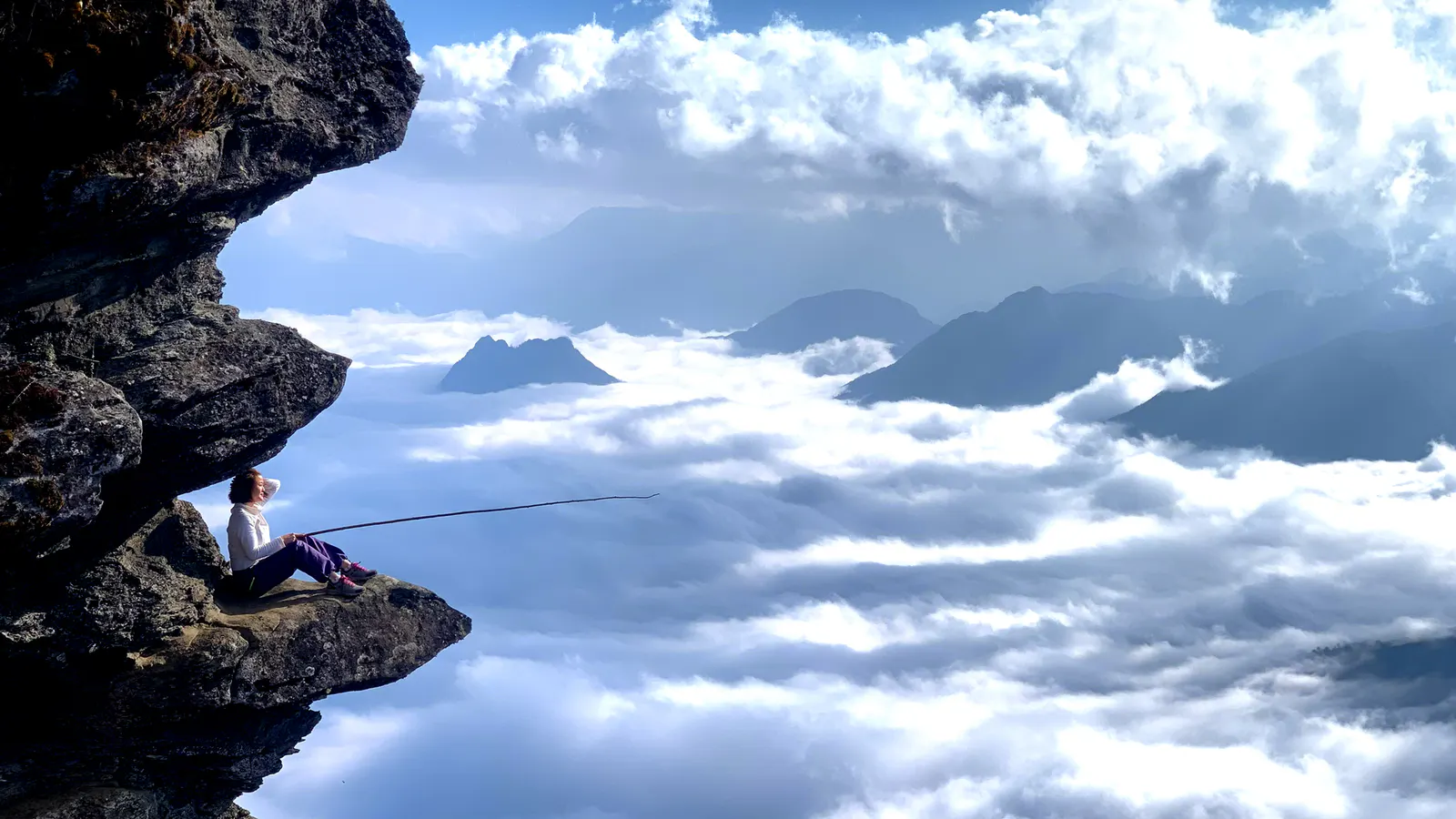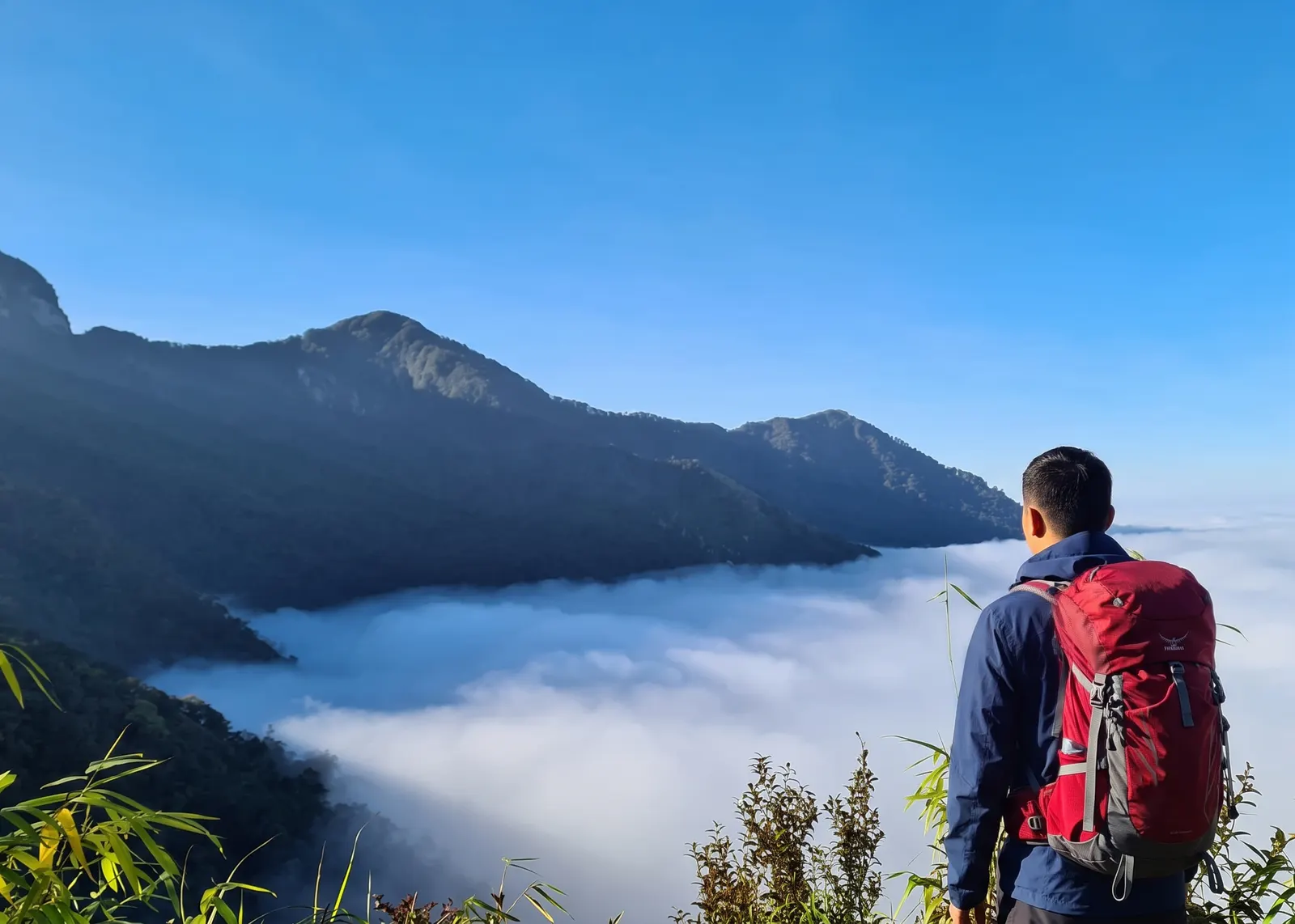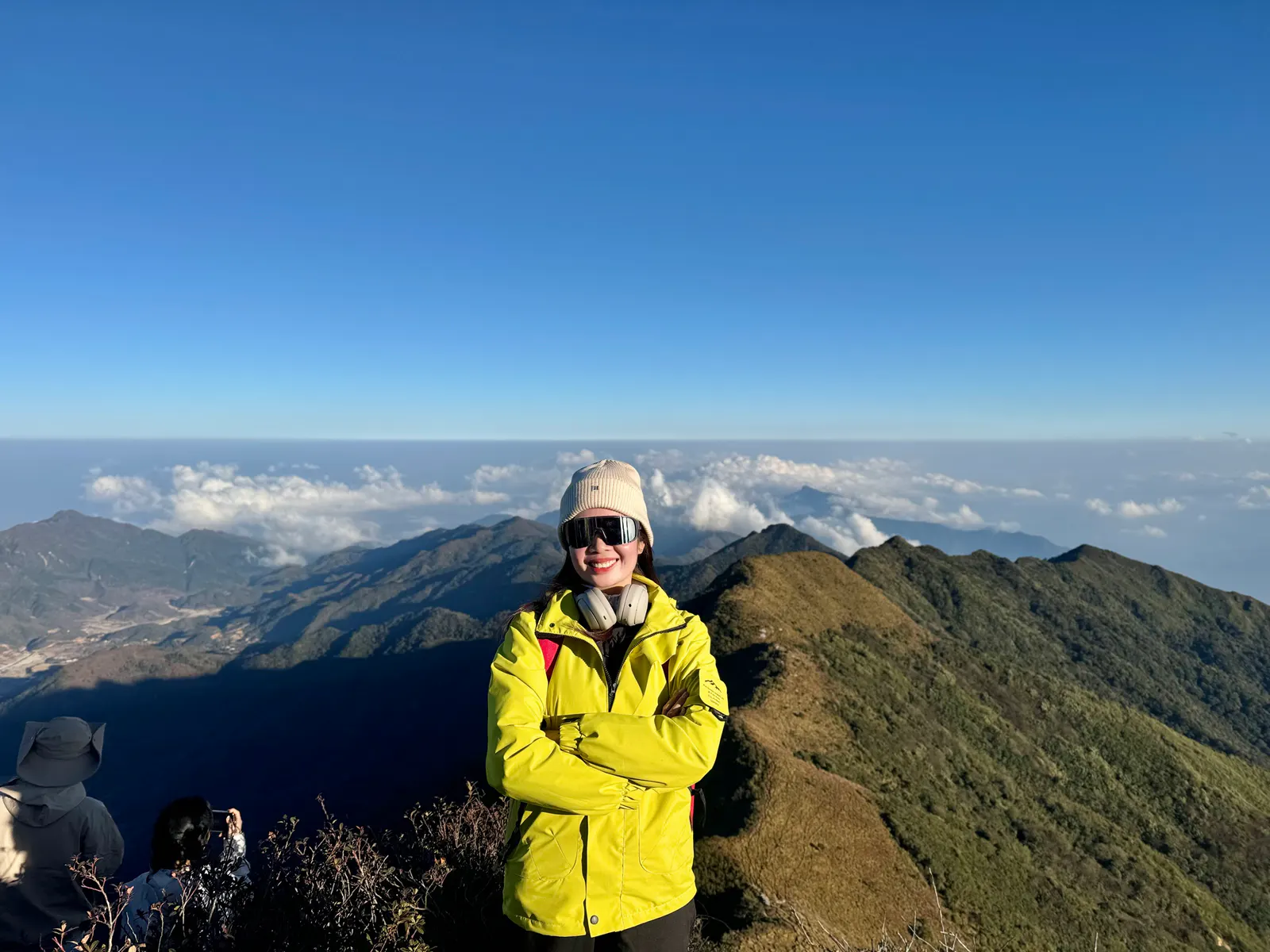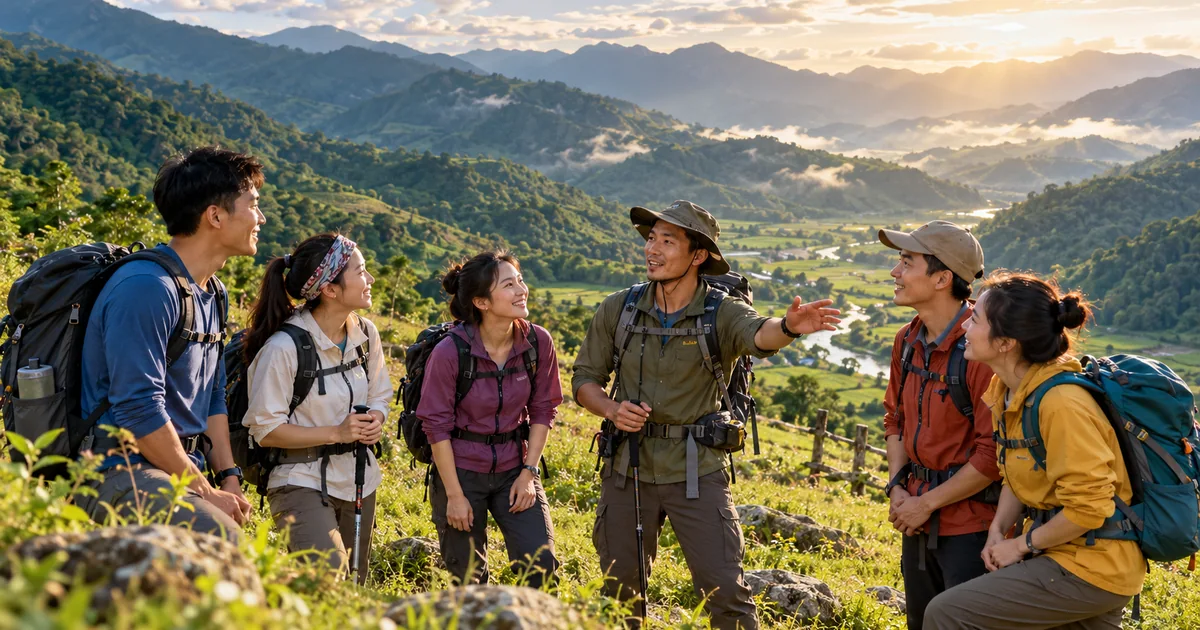
Illustration for this trekking planning guide.
A scheduled group trek suits travellers who can join an offered date and follow shared arrangements. A private trek is worth discussing when your party needs its own date or an agreed service scope. Compare the flexibility you need, confirmed participant numbers and total quote.
Knowing everyone in your party does not automatically make a public departure private. The booking arrangement determines who joins and which services are agreed.
Compare dates and scope first
| Decision | Scheduled group | Private arrangement |
|---|---|---|
| Date | Join an available departure | Discuss a date and whether it can be organised |
| Participants | May include travellers you have not met | Based on the party named in the arrangement |
| Programme | Shared itinerary and coordination | Scope agreed in the quote, subject to route conditions |
| Price | Terms of the selected public departure | A separate quote for the agreed services |
| Changes | Applicable group booking policy | Conditions agreed for that private booking |
A private programme still has practical limits. Local conditions, route access, weather and the group’s ability affect what can be organised. A private booking does not grant unrestricted access or permission to change the route at will.
When does a scheduled group make sense?
If you are travelling alone or with a small party, can use an available date and do not need a separate service arrangement, start with the public schedule. Check transport, accommodation and personal needs just as you would for any other booking.
The departure may bring together several kinds of travellers. Ask about the expected pace and group arrangements if these affect your decision. Joining on your own covers questions for a single registration.
When should you ask for a private quote?
A different holiday date, separate transport or a particular group requirement may justify an enquiry. Give your actual needs rather than assuming every custom request can be included.
Ask what the quote includes, what is excluded and what happens if the number of participants changes. UpTrail confirms private-tour conditions through the quotation process. Do not apply a public group price or promotion to a private request without confirmation.
Choose for the whole group’s ability
Plan around the least experienced participant on sections where the party needs to stay together. A private trip cannot make the required ascent or descent disappear. Each person should describe recent activity instead of relying on the strongest member’s assessment.
Read beginner route selection and trekking difficulty together. Tell the organiser if photography, longer breaks or time learning about the area are important; these preferences need to fit the walking programme.
What to include in an enquiry
- Preferred dates and the latest time you need to return.
- Confirmed participant count and any additional people still deciding.
- Experience and recent activity of the least experienced members.
- Meeting point and transport requirements.
- Essential food, sleeping, language or luggage needs.
- Budget and the priorities that matter most to the group.
Is a private trek always cheaper for a larger party?
Request a quote. Transport, services, date and participant numbers all affect the total. Compare prices for the same scope.
Can friends join an existing public departure together?
Ask whether enough places remain. Joining together does not convert the departure into a private trip.
Read the tour selection checklist, review the booking terms and send UpTrail your group enquiry.