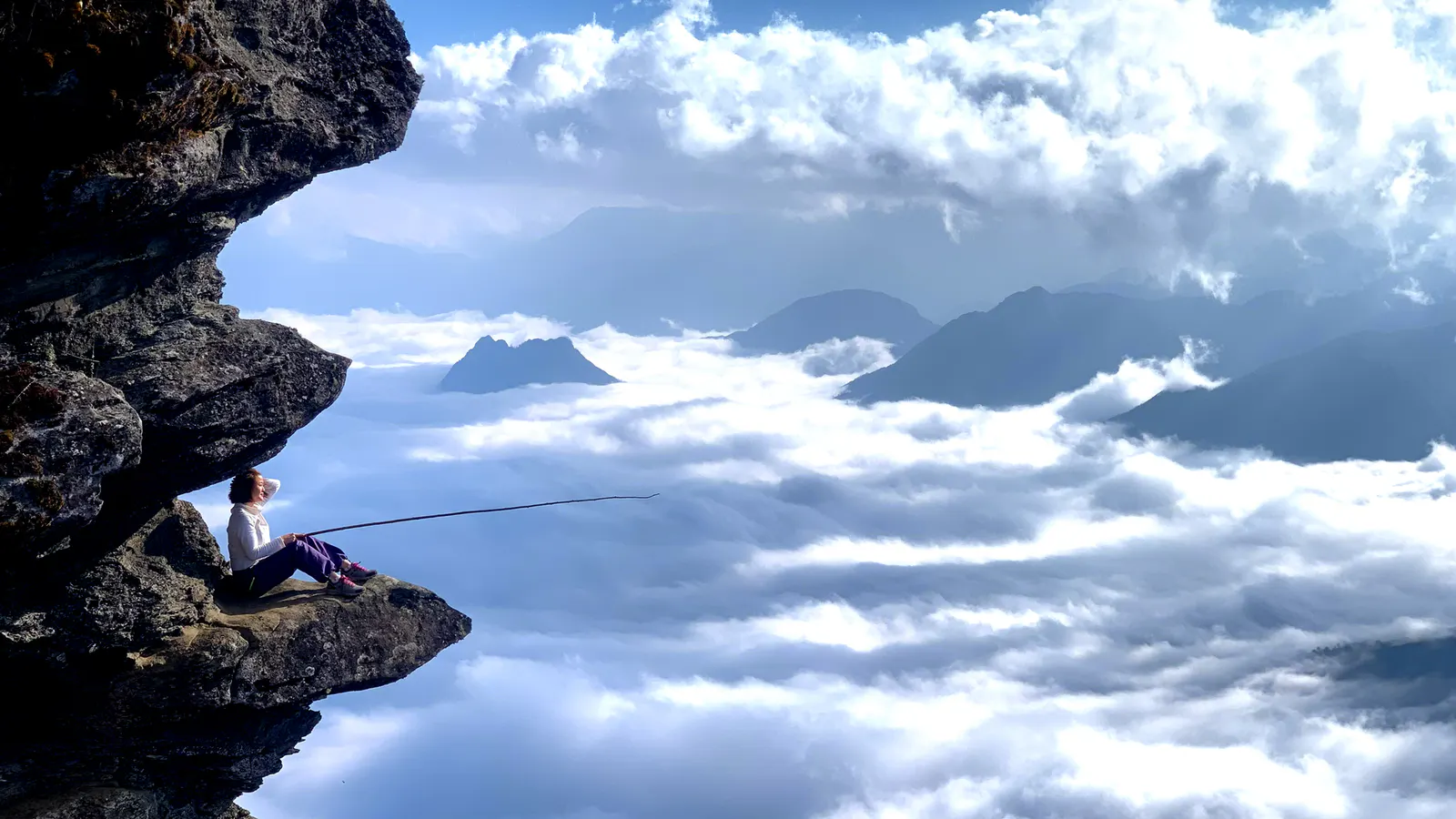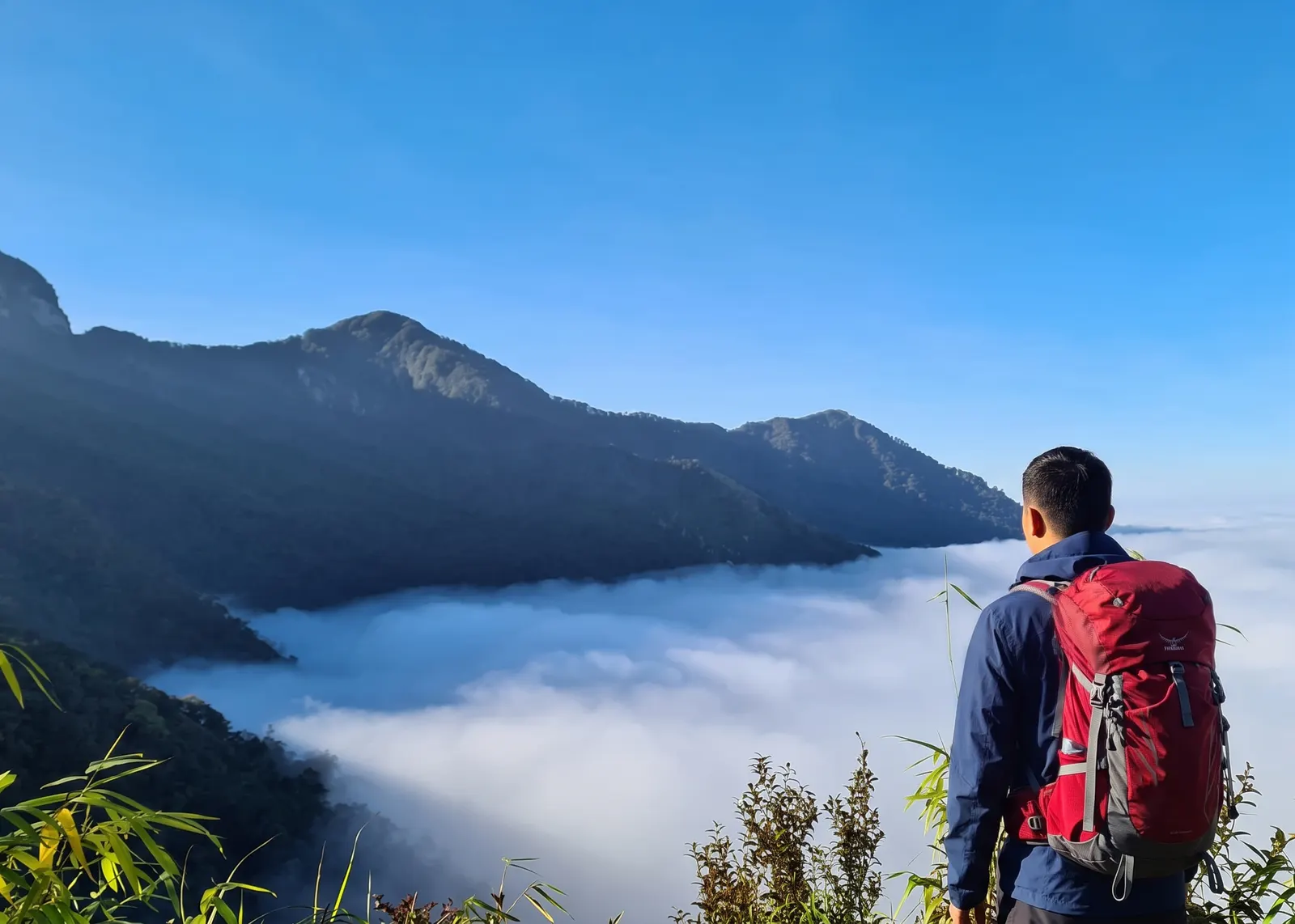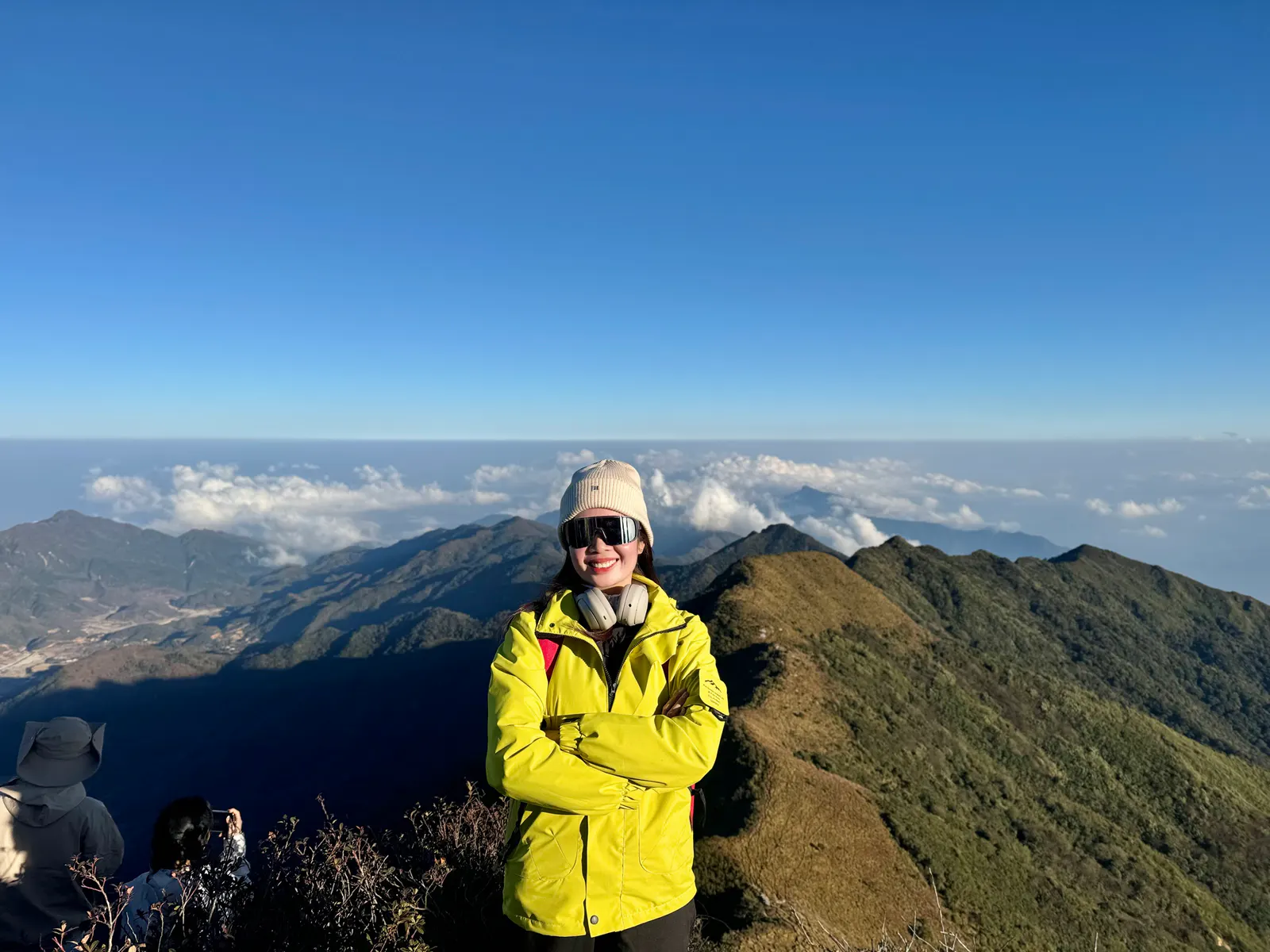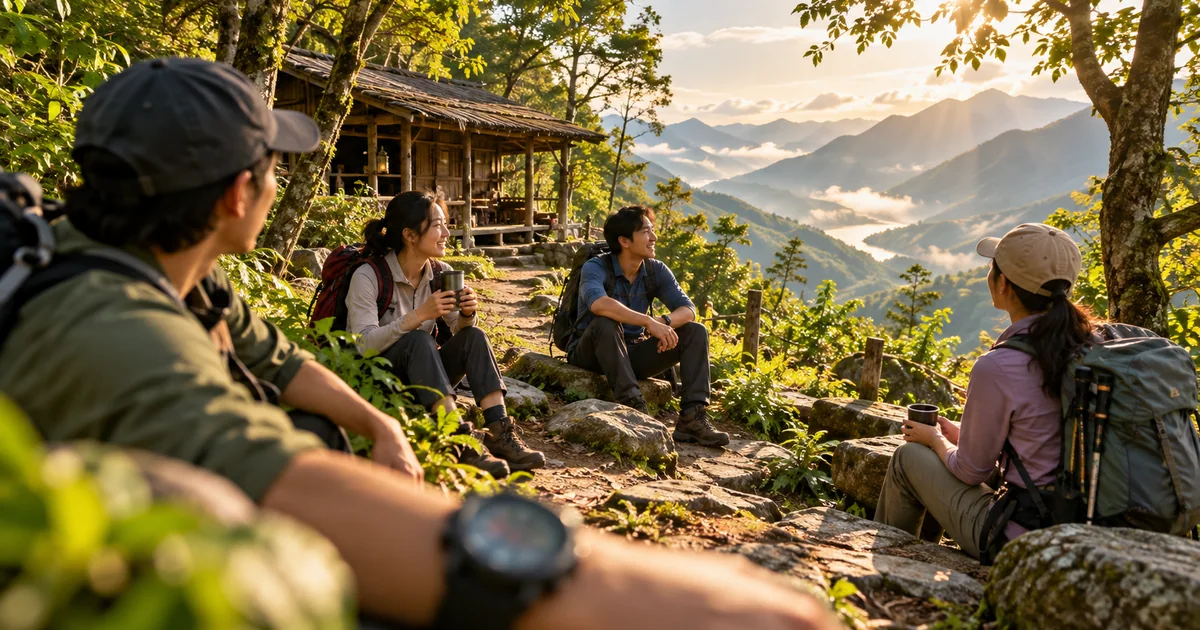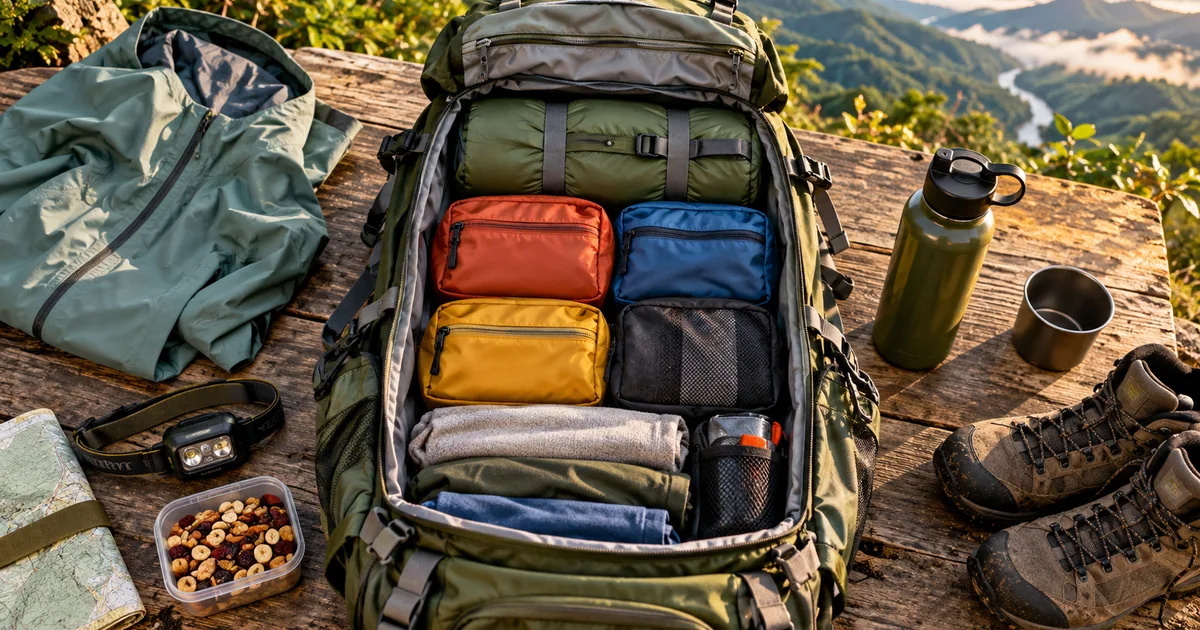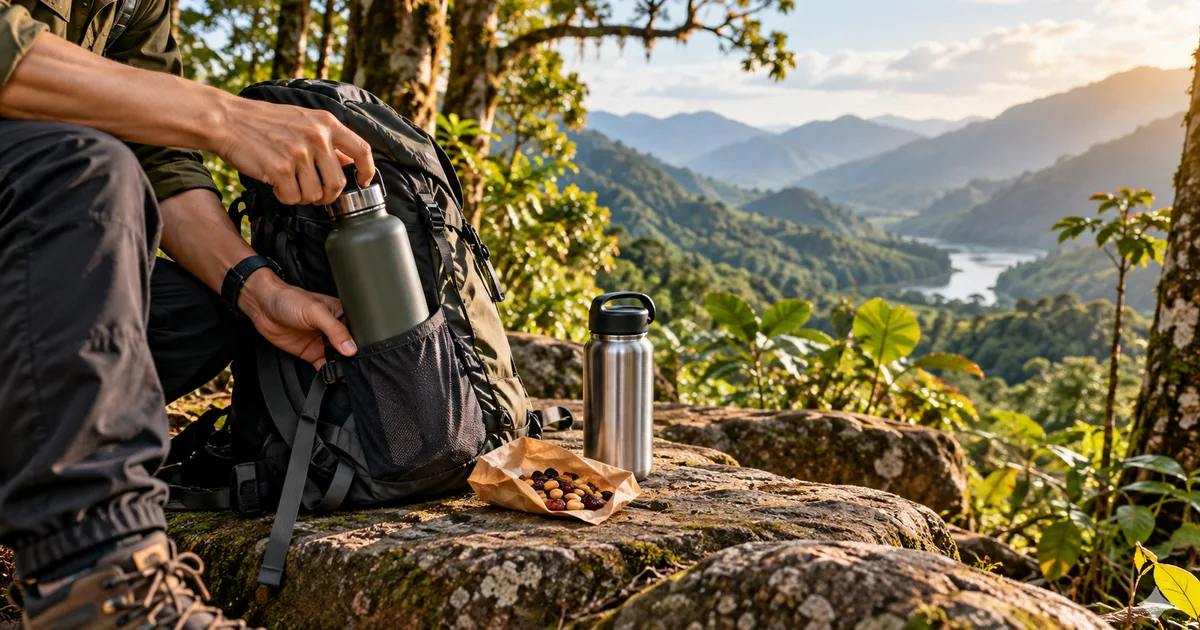
Illustration for this trekking conditions guide.
Plan how much water to bring hiking around the stage between confirmed replenishment points, the conditions and your personal needs. The amount handed out at departure is not a drinking recommendation or proof that it covers every day.
Ask where water is available, when you receive it and which interval you must cover before packing your bag.
Start with the interval without replenishment
Water at a hut does not answer how to prepare for the walk from the trailhead to that hut. A general statement about water support should be clarified into locations and timing.
Do not assume a stream provides drinking water. Ask the team about the source and treatment arrangement. The daily itinerary helps describe the stage, but does not turn walking hours into one universal quantity.
| Planning field | What to confirm |
|---|---|
| Stage | Its start and next stopping point |
| Expected interval | The programme and current conditions |
| Replenishment | A source confirmed by the responsible person |
| Supplied water | When and under which service arrangement you receive it |
| Your carried amount | Needs discussed for that interval |
| A changed source | Whom to tell and how the plan is reassessed |
This is an organising tool. Do not fill an unconfirmed source with an assumption or use the table as a prescription for everyone.
Read the water service for the particular tour
Some programmes describe an initial supply and water at the overnight stop. Open the actual tour and ask about the plan for your departure.
Do not apply the Ta Chi Nhu arrangement automatically to Pusilung. Their duration and logistics differ. The inclusion guide separates supplied services from personal preparation.
Try bottles or a reservoir before leaving
Check closures, hoses and valves where fitted, cleanliness and access at a stop. Use containers that work with your pack. A leak or difficult valve may be identified before a long stage.
Include water in the actual load trial. Use fit checks and stable packing rather than resolving a load problem by arbitrarily removing water from the agreed plan.
Communicate during the stage
Follow the discussed arrangement and tell the leader if the amount remaining no longer fits the next interval. Do not silently assume someone ahead can supply more.
Needs vary with the person and conditions. Neither too much nor too little should be directed through one generic blog figure. Follow individual healthcare advice where relevant and explain the practical requirements to the organiser.
Must I carry the whole trip’s supply from the start?
That depends on confirmed logistics. Do not assume either carrying everything or carrying nothing because the tour mentions water. Plan alongside personal food and rest stops.
CDC notes that clear-looking mountain water can still contain germs. For water-treatment background, see CDC’s backcountry water guidance.