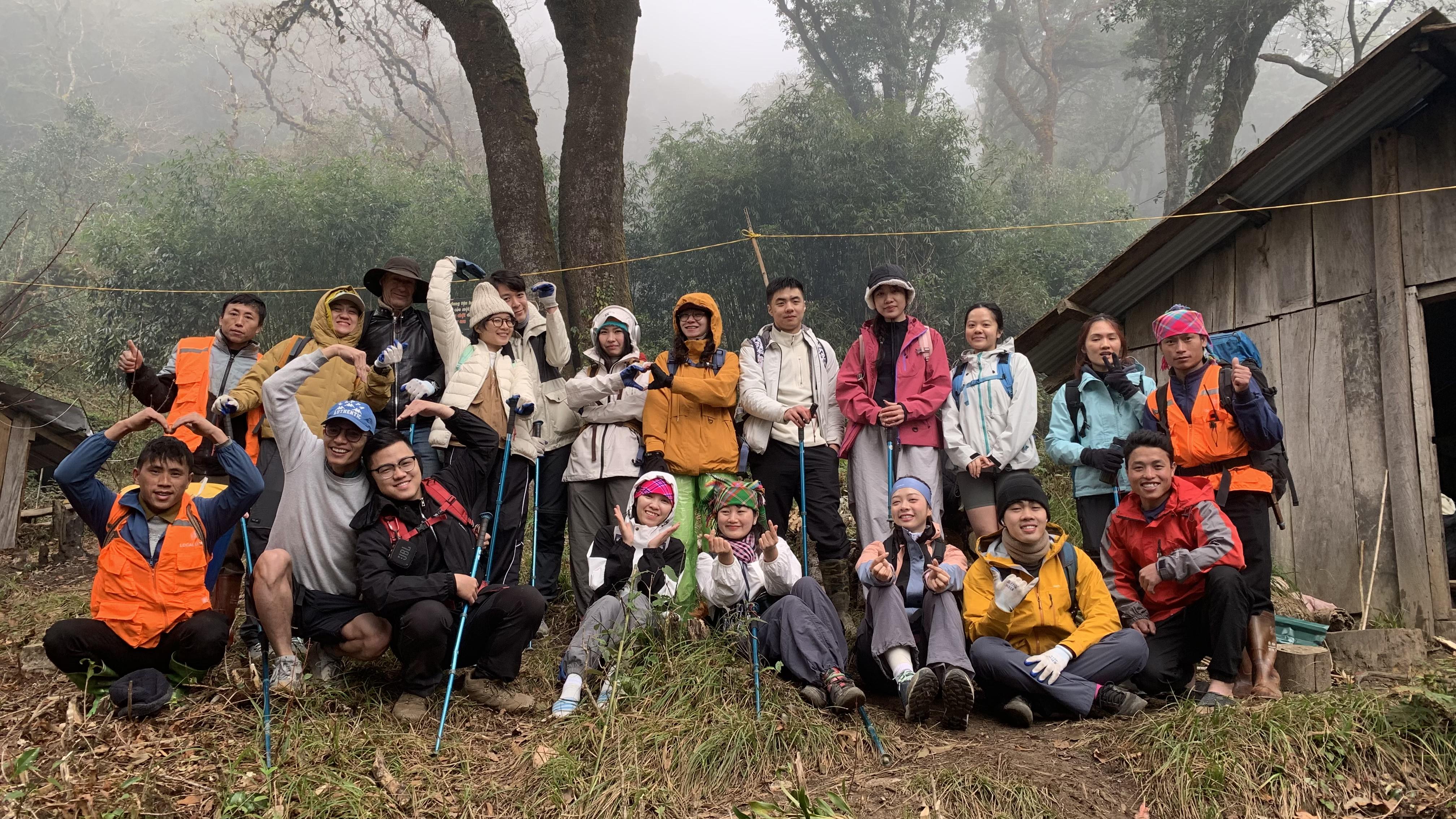
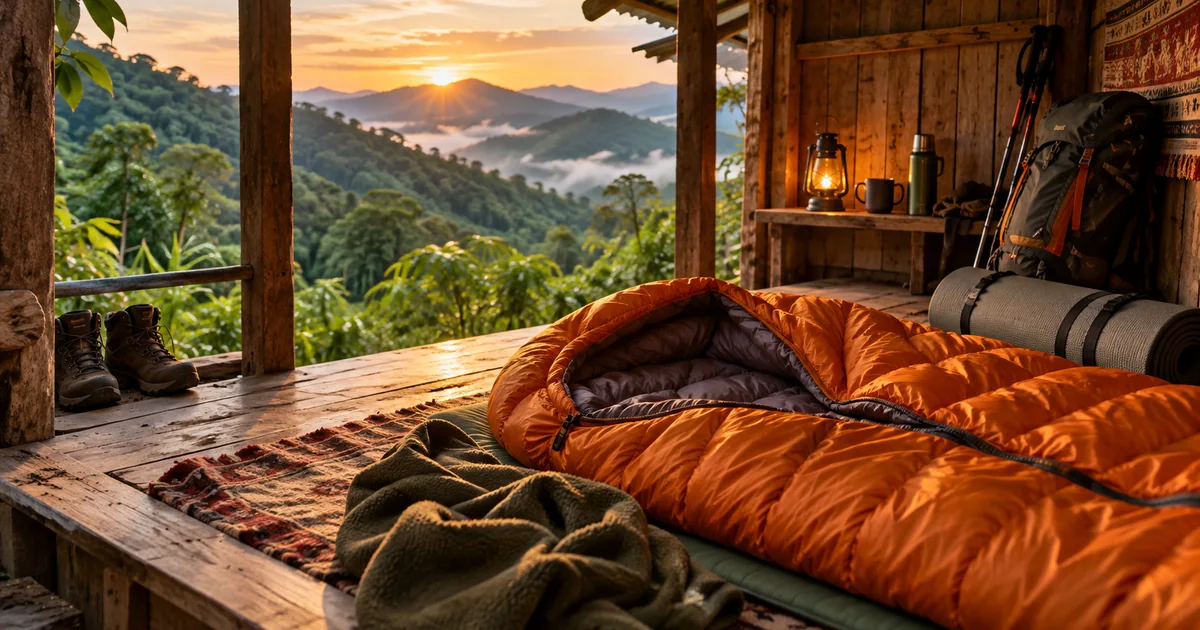
Illustration for this trekking equipment guide.
Choose a sleeping bag for trekking from the product’s rating, the sleeping location and your needs. Read which temperature label applies: a limit or survival figure is not a promise of a comfortable night.
Confirm what the tour supplies before buying or packing an additional bag. Sleeping equipment works together with the surface beneath you and suitable dry clothing.
Understand the label before comparing numbers
Read the manufacturer’s explanation for the exact model and its testing method. A comfort rating and a lower-limit rating describe different reference conditions. Do not choose solely from the lowest temperature shown in an advertisement.
If the label is missing or unclear, ask the supplier. Thickness and weight seen from the outside cannot establish a temperature rating. A borrowed bag still needs an identifiable specification and appropriate condition.
Ask about the actual sleeping location
A town forecast does not describe every mountain hut. Building structure, floor, wind exposure and dampness affect the overnight setting. Ask what bedding is present and what you need to bring.
Summit elevation alone cannot produce a certain temperature for the sleeping place. Read the overnight stops in the selected programme and tell the organiser if you tend to feel cold or have particular sleeping needs.
| Part of the sleep kit | Confirm |
|---|---|
| Bag or supplied bedding | Model or type, condition and intended use |
| Sleeping surface | What separates you from the floor or ground |
| Clothing | A protected dry set suitable for the evening |
| Storage | How the sleeping kit remains dry during the day |
| Personal needs | Anything requiring an individual arrangement |
Confirm what is supplied on your route
Some UpTrail programmes list blankets, pillows and mattresses at the hut. That description does not automatically mean a personal sleeping bag is provided or that the same bedding suits everyone.
Ask about the specific Nhiu Co San programme or the route you choose. If renting equipment, check specification, cleanliness, size and condition as well as price.
Test and protect the kit
Try the fit, zipper and packing method before departure. Do not add the printed temperature figures of several items together to calculate a new rating.
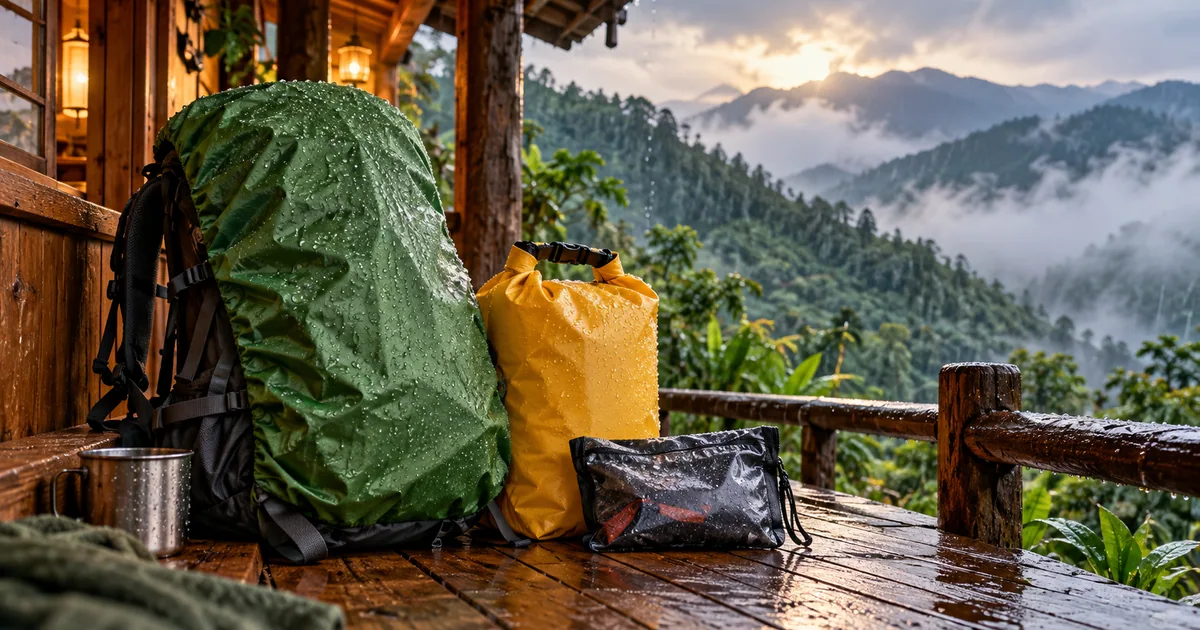
Keep sleeping equipment inside appropriate dry storage rather than unprotected on the outside of the pack. Read how to protect dry kit and the clothing guide.
Can I select from the forecast’s lowest number alone?
Check the forecast location, sleeping conditions and the model’s limitations. A single number cannot describe the full arrangement or how every person will feel.
Does a hut with blankets mean I need ask nothing else?
Confirm the actual bedding and whether it meets your needs. Review the packing checklist before finalising the bag.
The manufacturer explains that comfort and lower-limit ratings are guidelines and depend on the rest of the sleep setup. See Sea to Summit’s rating explanation.